
Your Complete Diamond Guide
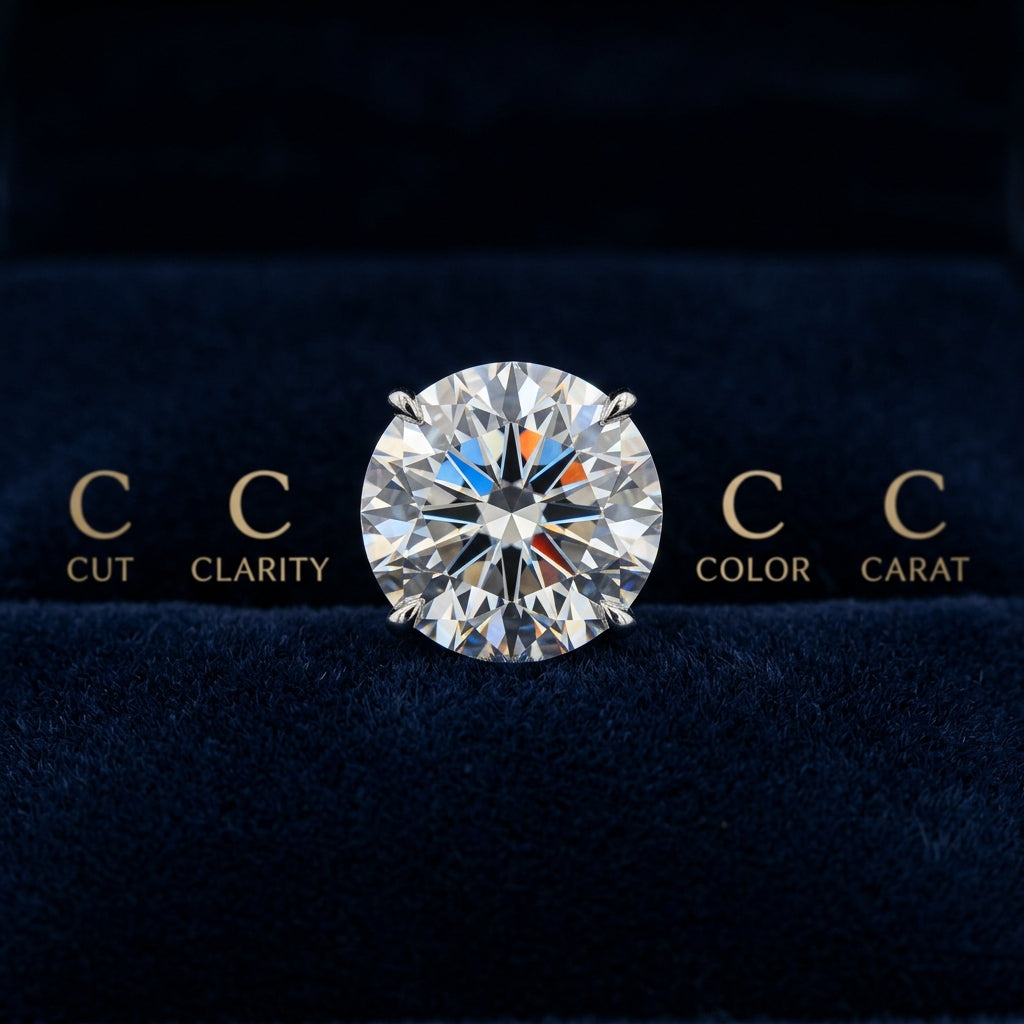
Every diamond is unique — formed over billions of years deep within the Earth. In the 1940s, the Gemological Institute of America (GIA) created the universal language for describing diamond quality: the 4 C's. Today, this standard is used by jewellers and gemologists worldwide to evaluate every diamond, giving buyers a consistent framework to compare, understand, and confidently select the perfect stone.
At Lablanc, our expert gemologists use the 4 C's not just to grade diamonds — but to guide you toward the best possible combination of beauty, quality, and value for your budget.
The Four Pillars of Diamond Quality
Cut
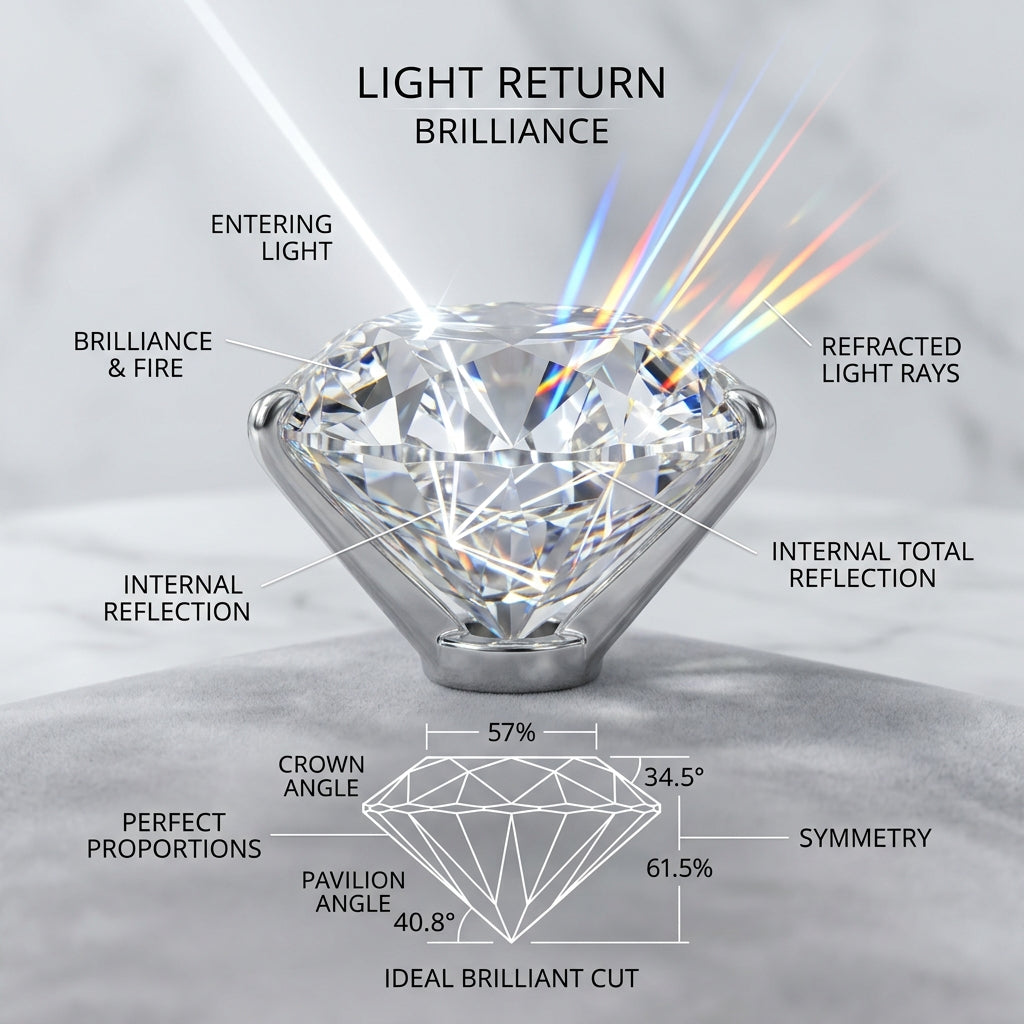
The most important of the 4 C's. Cut determines how well a diamond interacts with light — its brilliance, fire, and scintillation. A perfectly cut diamond will outshine a larger, lower-cut stone every time.
Priority: #1 — Never compromise on cut.
Color
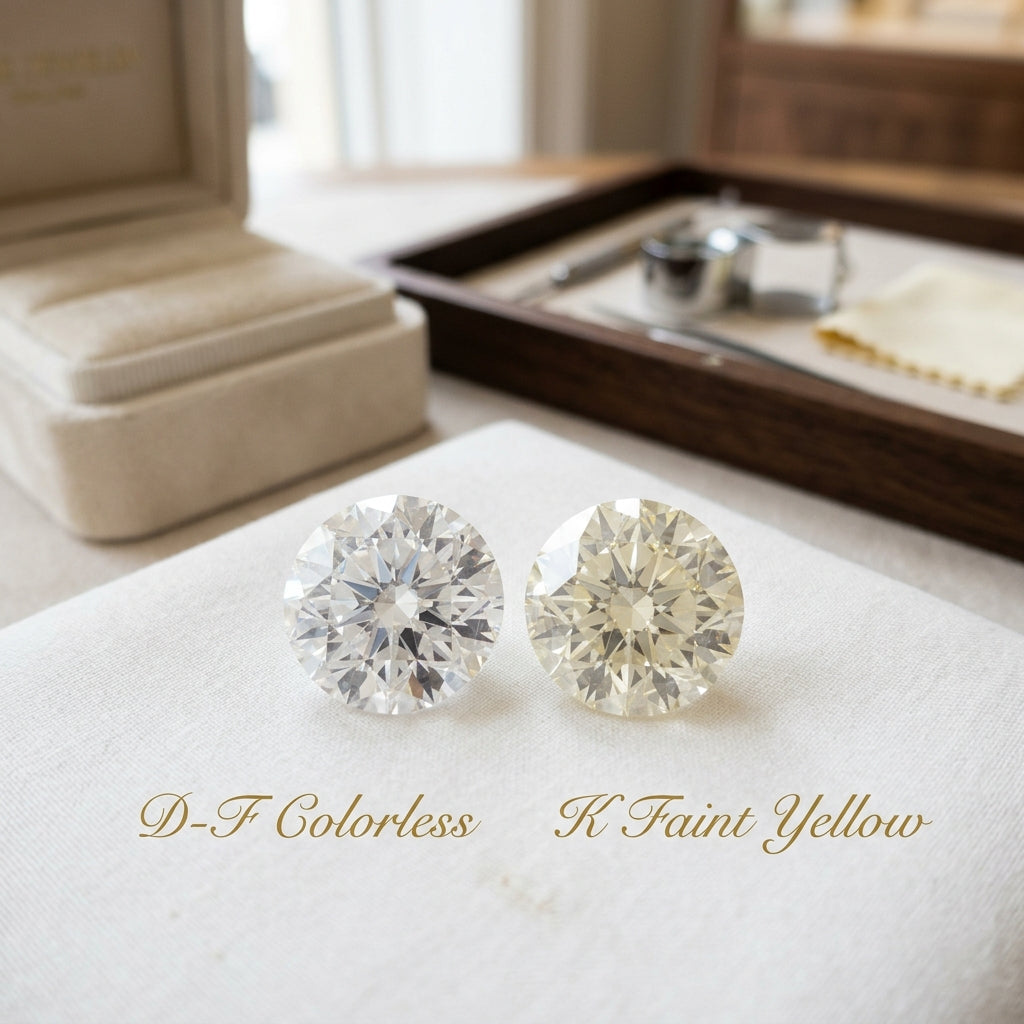
Diamonds are graded on a scale from D (colorless) to Z (light yellow/brown). The less color present, the rarer and more valuable the diamond. For most settings, G–H grades offer excellent near-colorless beauty at great value.
Priority: #2 — Highly visible to the naked eye.
Clarity
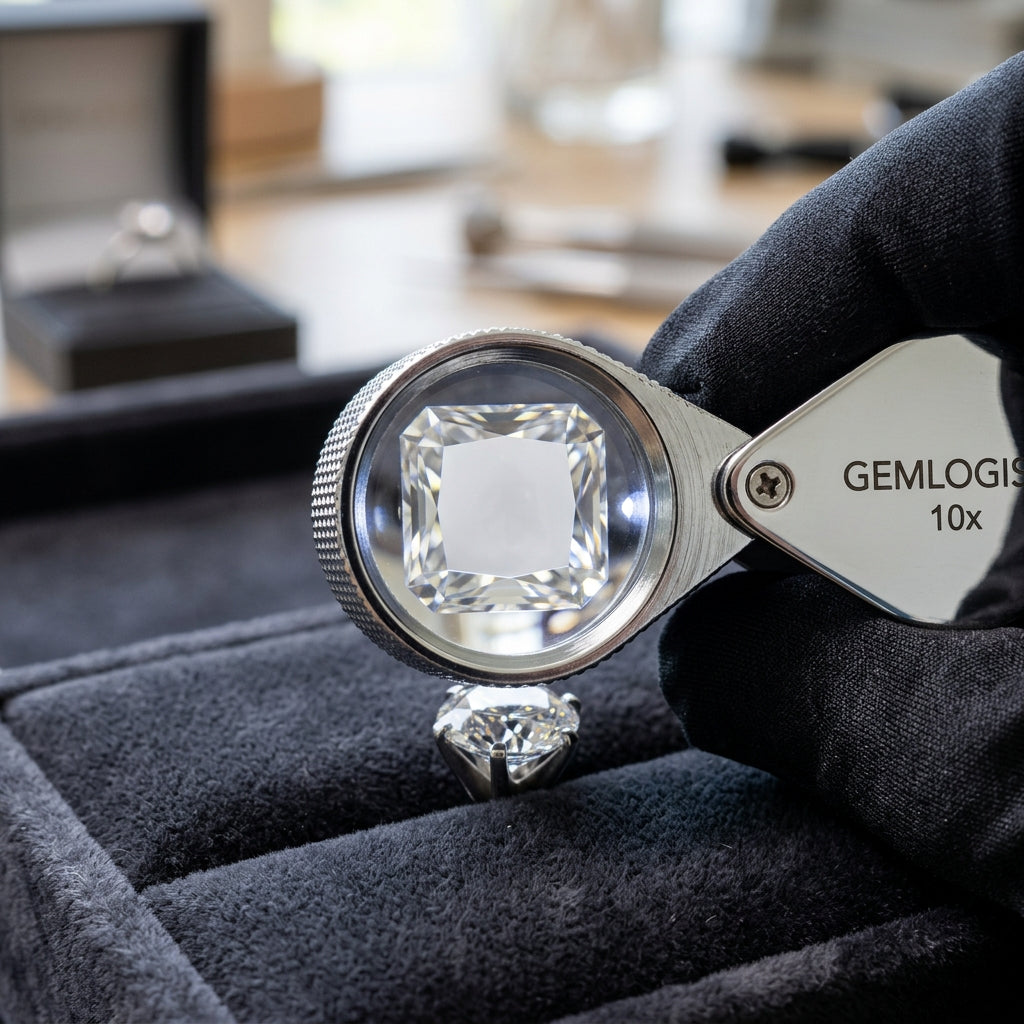
Clarity grades the presence of internal inclusions and external blemishes formed during a diamond's natural growth. An eye-clean diamond — one with no visible flaws to the naked eye — is the practical goal for most buyers.
Priority: #3 — Eye-clean is what truly matters.
Carat
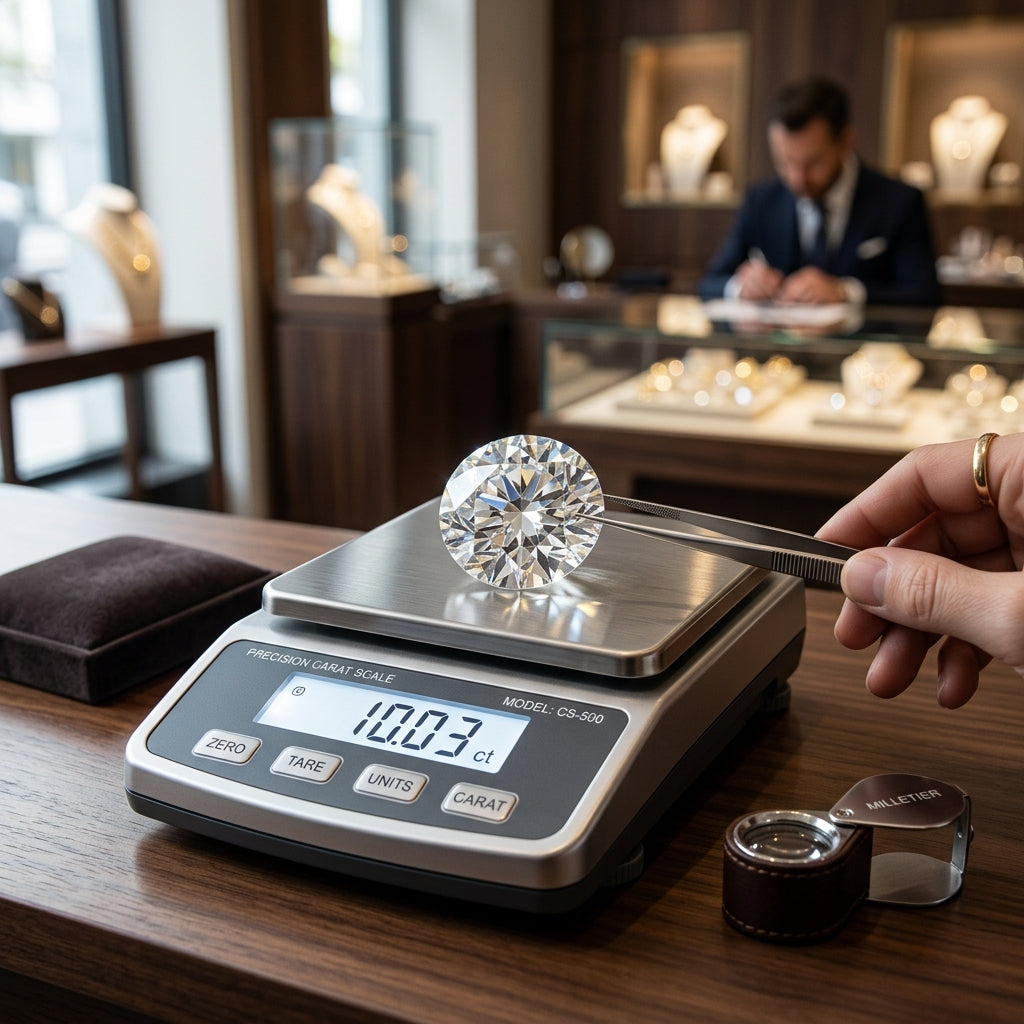
Carat is the unit of weight for diamonds. One carat equals 0.2 grams. While carat affects size and price significantly, a well-cut diamond of lower carat can appear larger and more brilliant than a poorly cut heavier stone.
Priority: #4 — Balance with the other three C's.
Cut — The Soul of a Diamond
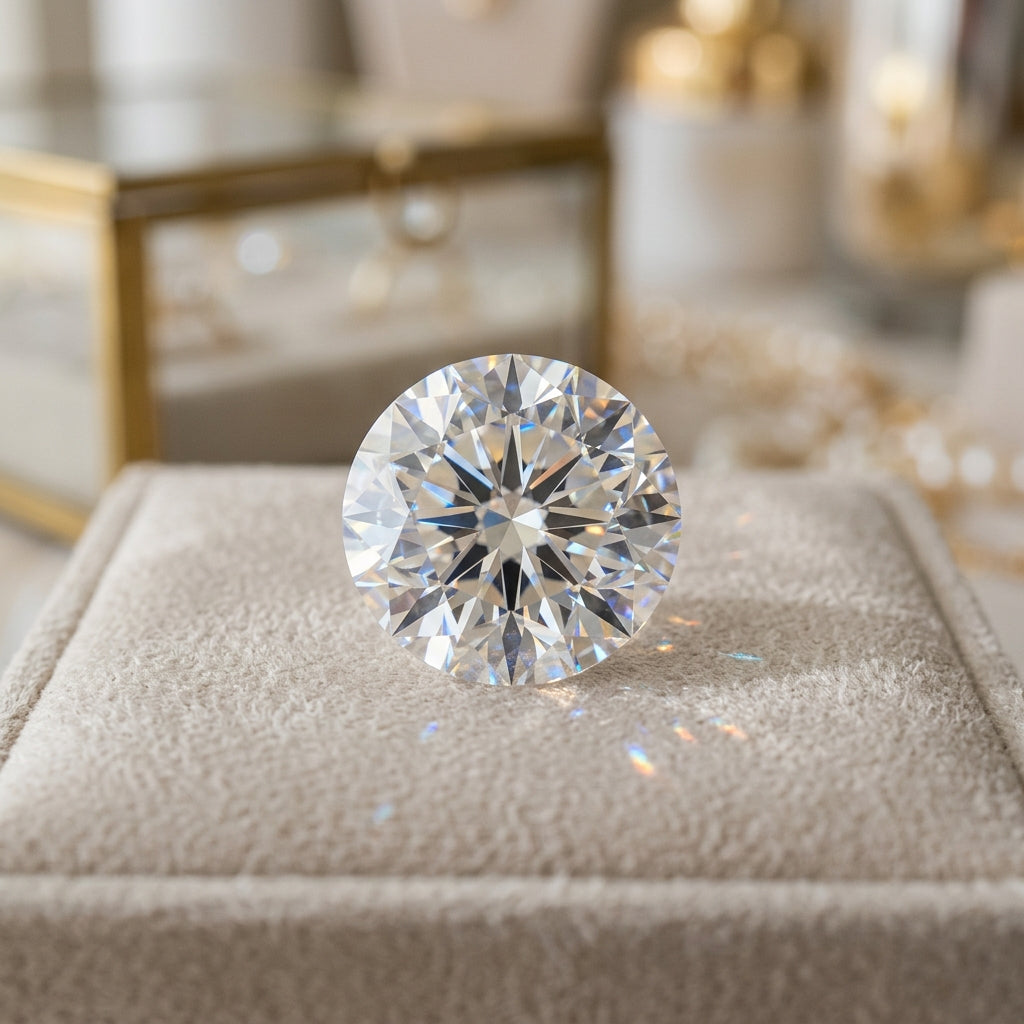
Of all the 4 C's, cut has the greatest influence on a diamond's beauty. It is the only C that is entirely shaped by human craftsmanship — not nature. A master cutter unlocks a diamond's true potential by aligning its facets to reflect and refract light with maximum brilliance.
How Cut Determines Brilliance
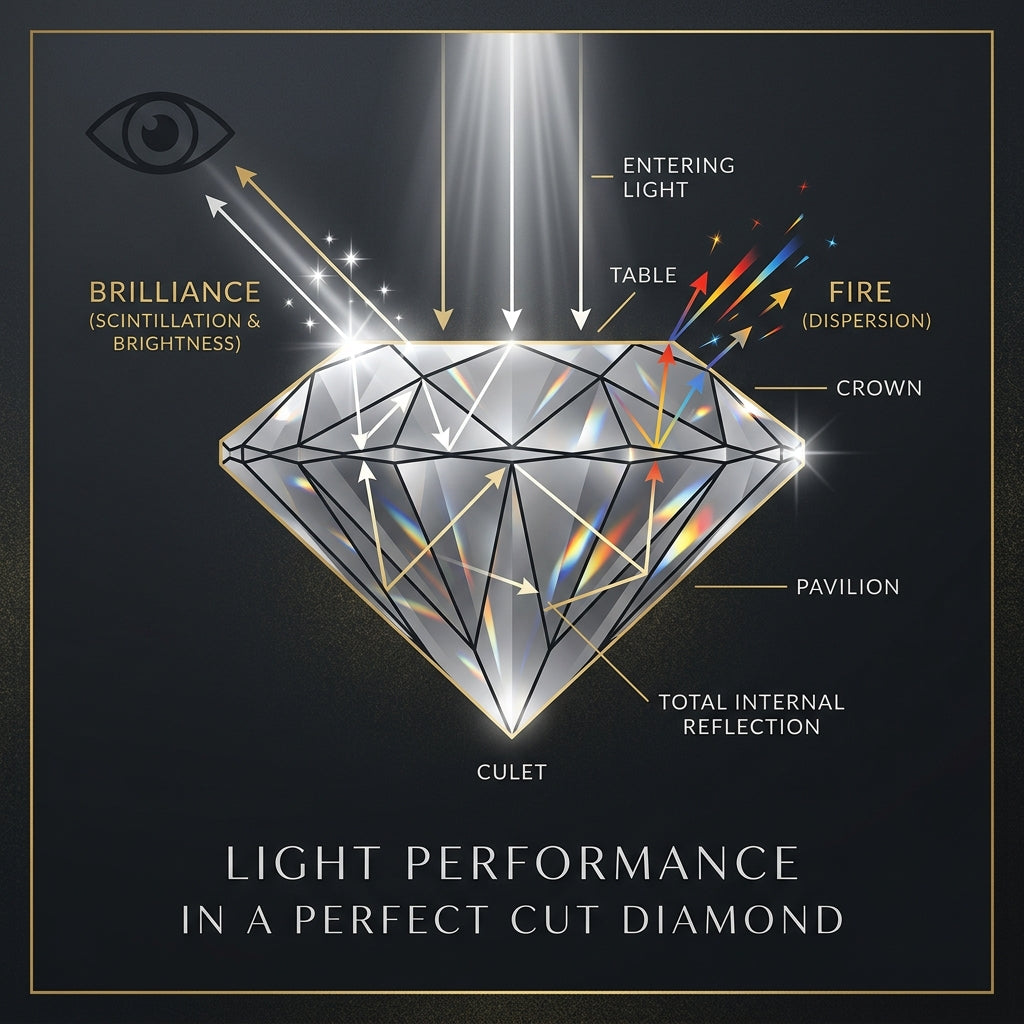
A diamond's cut quality is assessed across three dimensions of light performance:
- Brilliance — The total light reflected from within the diamond back to the eye.
- Fire — The dispersion of white light into the colours of the spectrum.
- Scintillation — The pattern of light and dark areas, and the flashes of sparkle when the diamond moves.
Cut quality is also influenced by the diamond's proportions — table size, depth percentage, crown angle, and pavilion depth — all of which must be precisely balanced.
Lablanc's Standard: We exclusively recommend Ideal or Excellent cut grades. These represent the top 3% of diamonds cut for their superior light performance, and the difference in sparkle is immediately visible.
GIA Cut Grading Scale
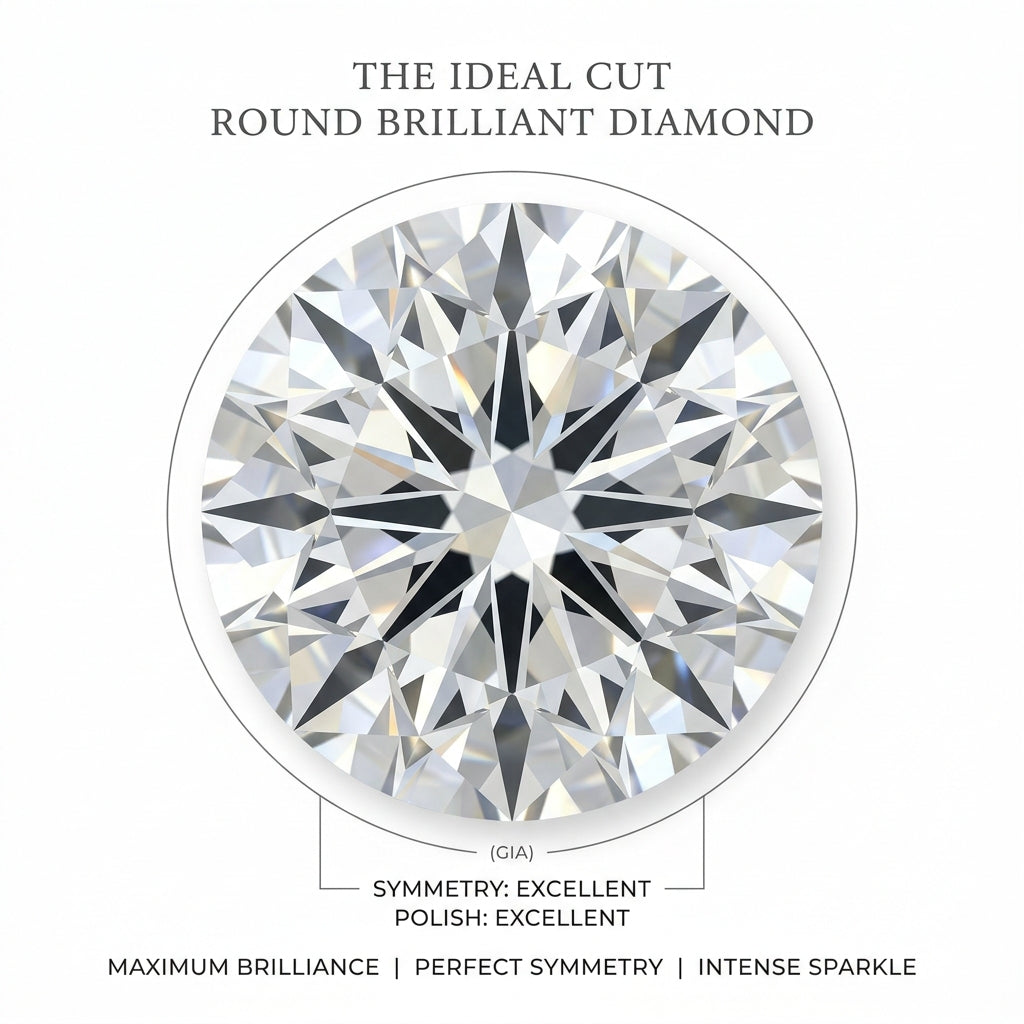
Ideal
The pinnacle of cut quality. Represents the top 1% of diamonds. Maximum brilliance and fire with perfect proportions. Exceptional light return with virtually no light leakage.
Top 1% — Exceptional
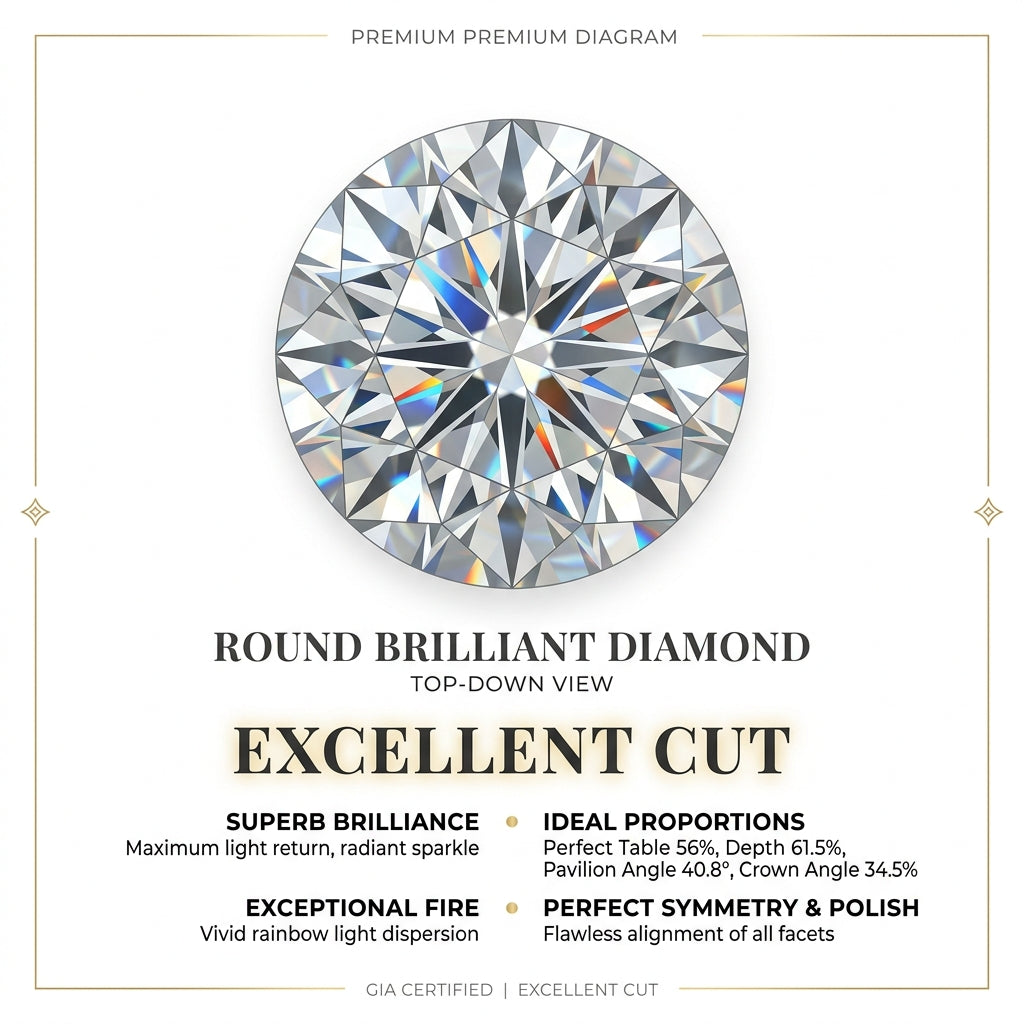
Excellent
Outstanding light performance nearly identical to Ideal. Represents the top 3% of diamonds. Offers superb brilliance at a slightly more accessible price point.
Top 3% — Highly Recommended
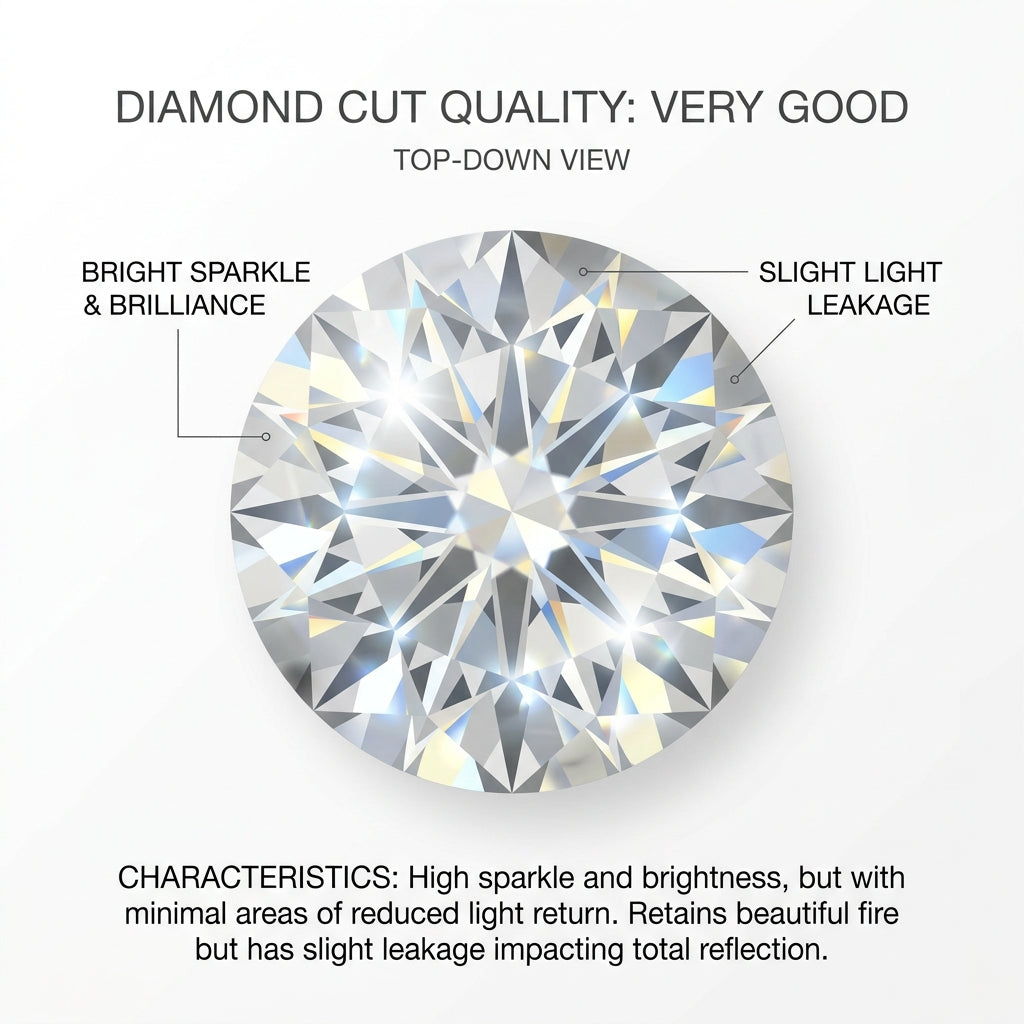
Very Good
Reflects most light that enters. Offers excellent sparkle with minor deviations from ideal proportions. A good balance of quality and value for budget-conscious buyers.
Top 15% — Good Value
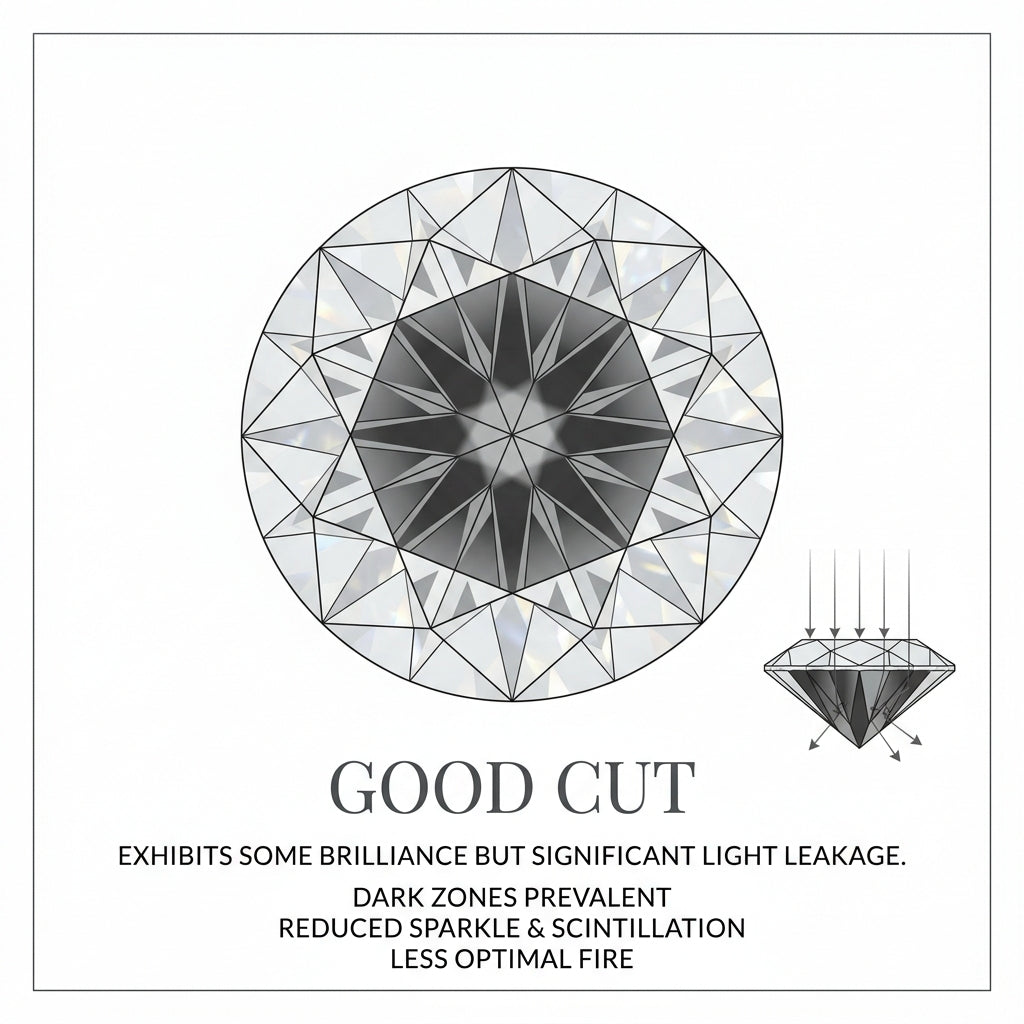
Good
Reflects much of the light entering the diamond. Slightly less brilliance than higher grades. Often chosen to maximise carat size within a budget.
Top 25% — Acceptable
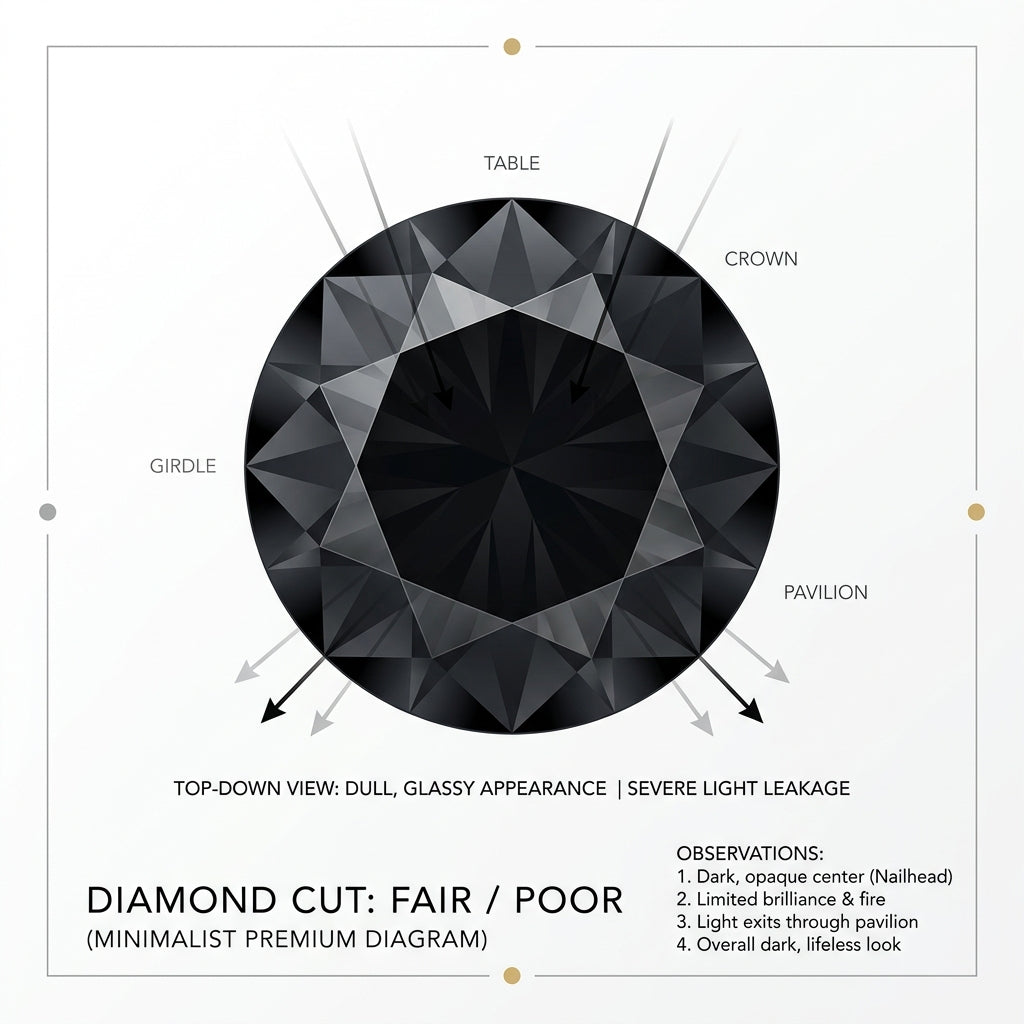
Fair & Poor
Allows significant light to escape through the bottom and sides, reducing brilliance. Not recommended for engagement rings. Reserved for very budget-limited purchases.
Not Recommended
Color — Purity of Light
The GIA color grading scale measures the absence of color in a diamond. A chemically pure and structurally perfect diamond has no hue — like a drop of pure water — and commands a higher value. Color differences can be subtle, but they are discernible to the trained eye and significantly affect price.
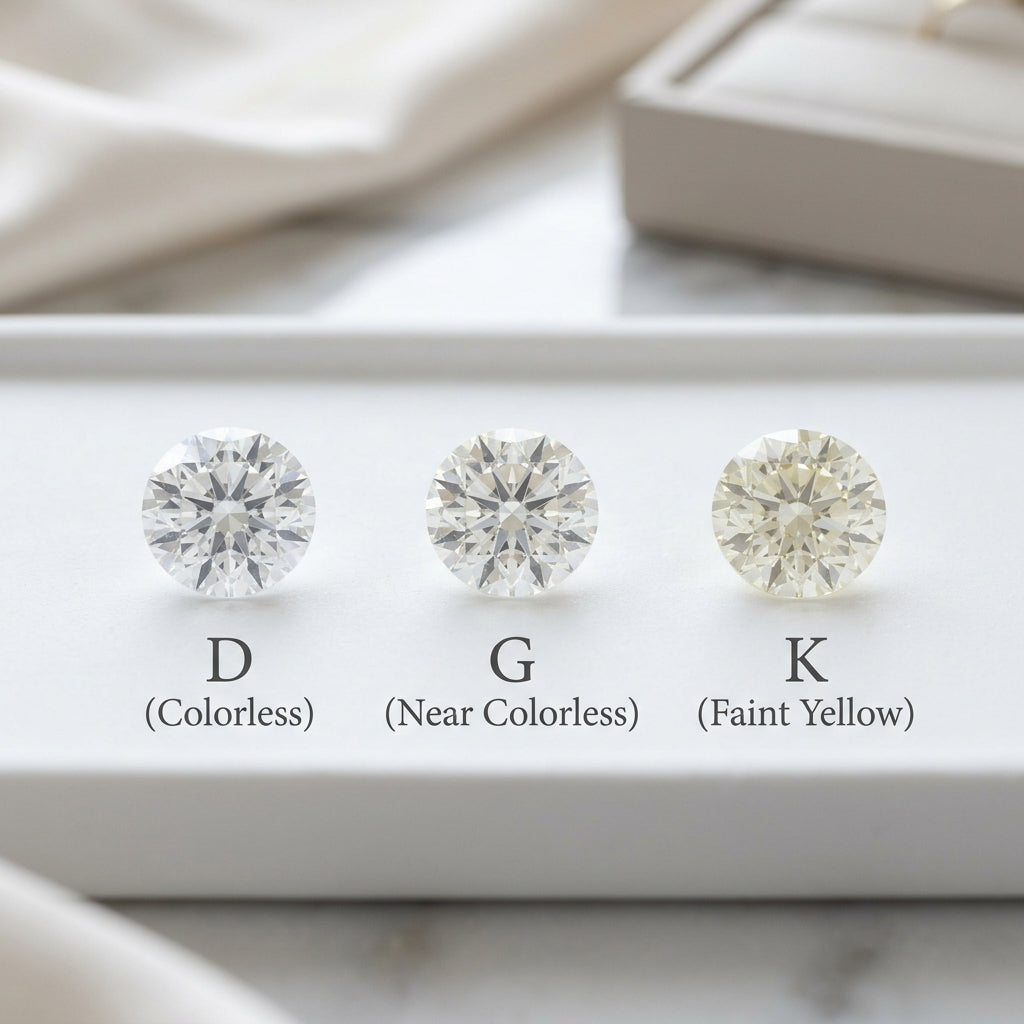
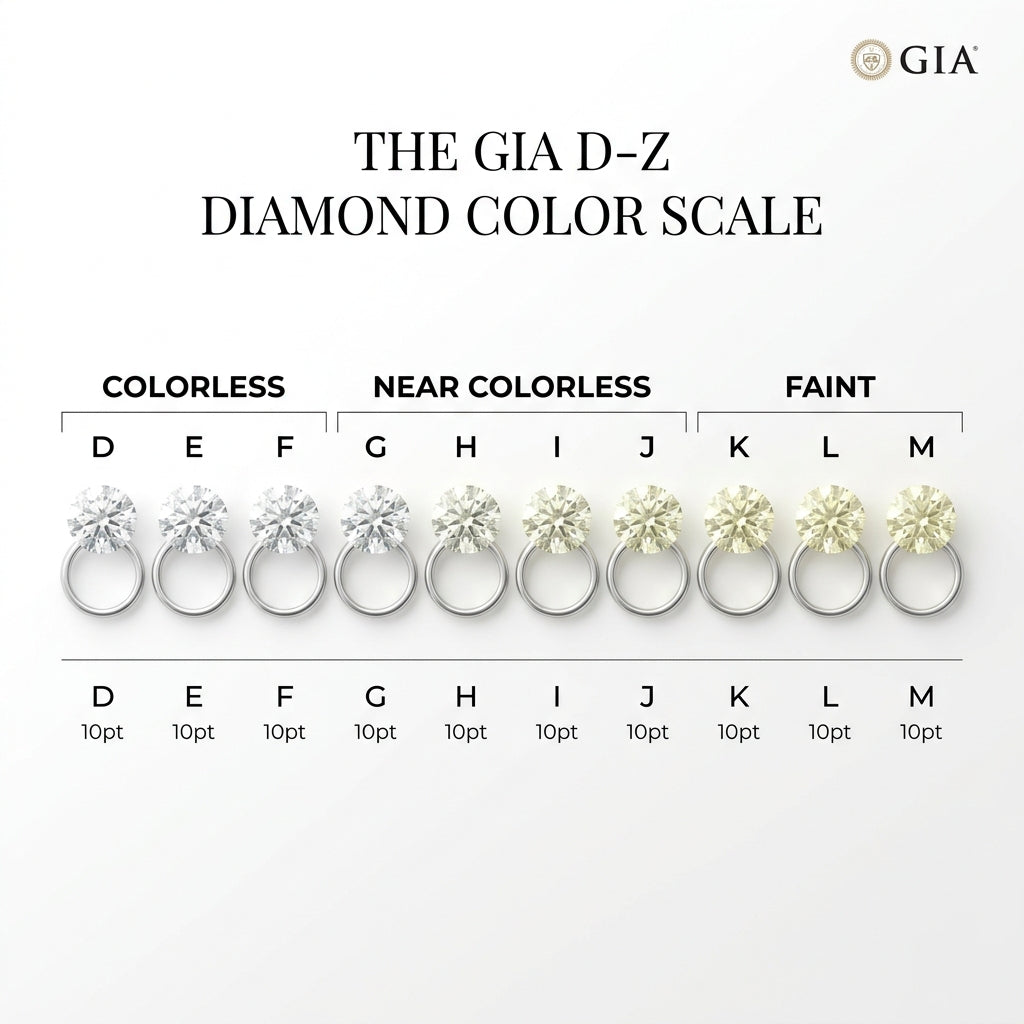
The D–Z Color Scale
The GIA color scale begins at D (completely colorless) and runs to Z (noticeable yellow or brown tint). Each letter grade represents a range of color and is determined by comparing diamonds under controlled lighting conditions against master stones.
D–F (Colorless): Extremely rare and highly prized. No color detectable even by gemologists under magnification. Best paired with platinum or white gold settings.
G–J (Near Colorless): Color virtually undetectable to the untrained eye. Excellent value — the stone appears white and beautiful. Ideal for any metal type.
K–M (Faint): Slight warmth visible, especially in larger stones. Works beautifully in yellow or rose gold settings where the metal's warmth complements the diamond.
Lablanc's Recommendation: G–H grades offer the best combination of near-colorless appearance and exceptional value. Side by side, a G and a D appear virtually identical once set.
Color Grades at a Glance
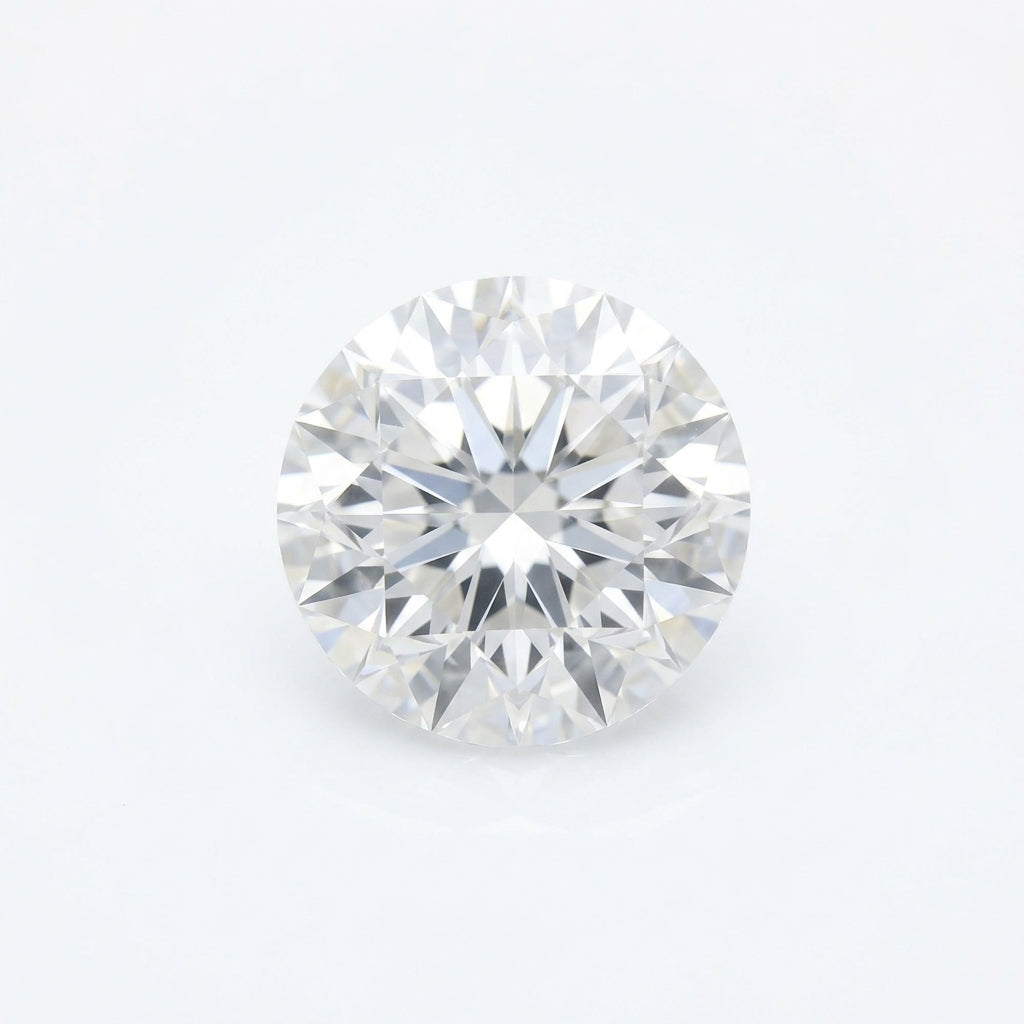
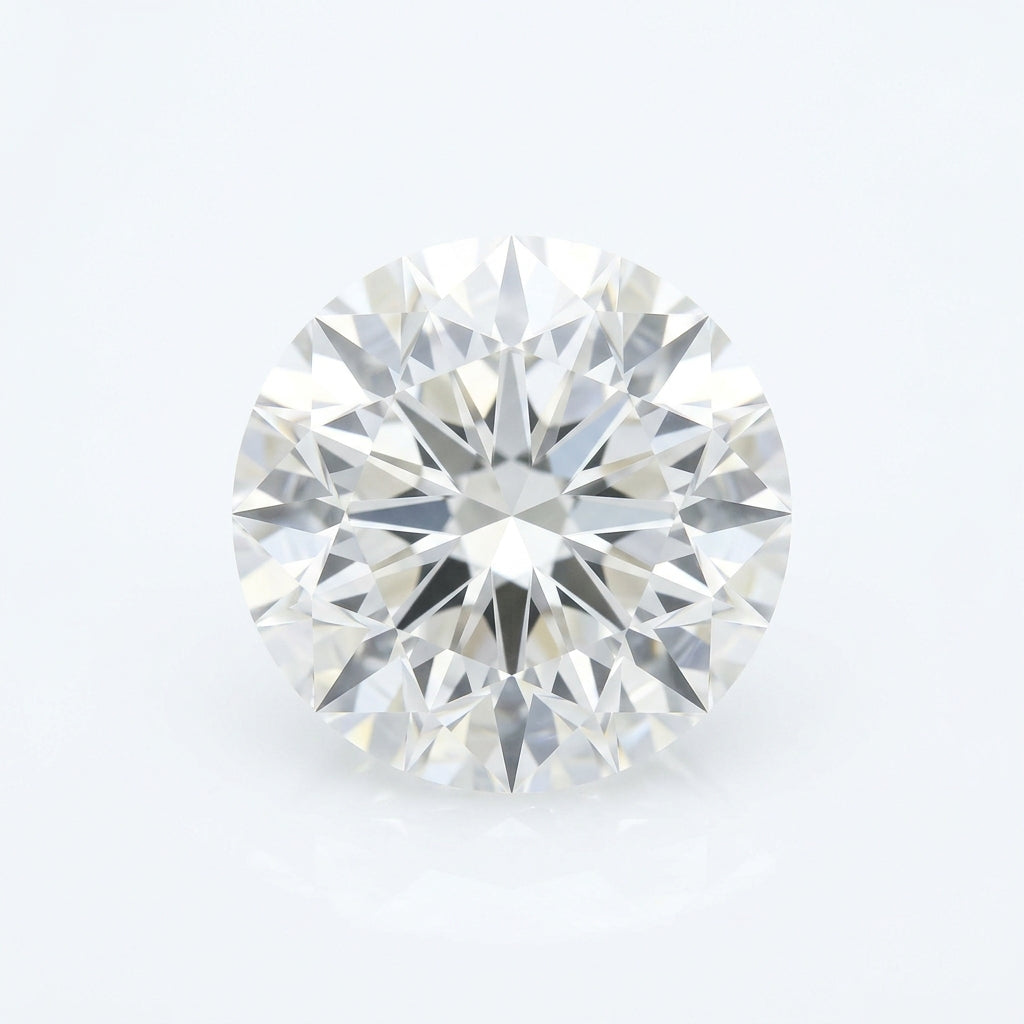
D – F
Colorless
The rarest and most valuable color range. Completely free of any color, even under magnification. Reserved for connoisseurs and investment-grade diamonds.
Ultra Premium
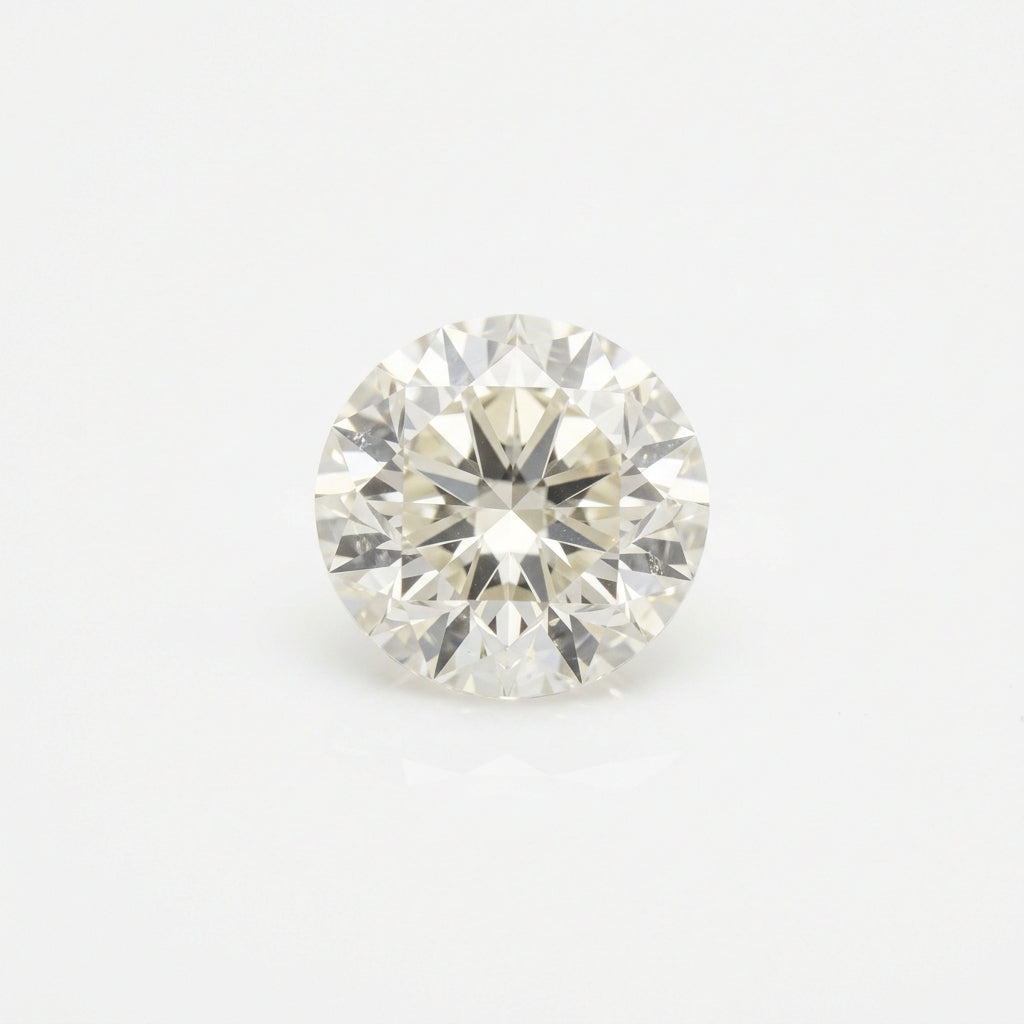
G – H
Near Colorless
Virtually indistinguishable from colorless to the untrained eye. Exceptional value and the most popular range for engagement rings. Looks stunning in all metal types.
Best Value — Most Popular
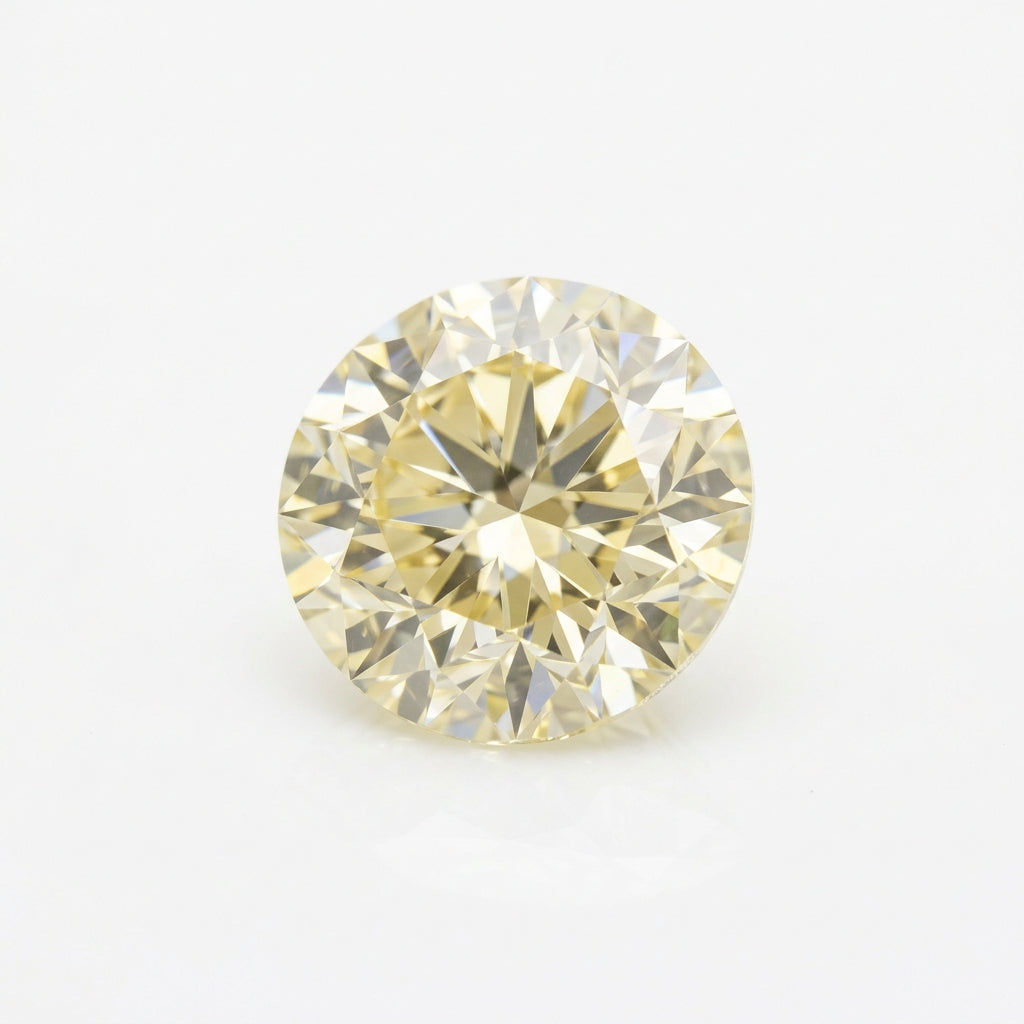
I – J
Near Colorless
A slight warmth that is generally only detectable when compared side-by-side with higher grades. Pairs beautifully with yellow or rose gold. Excellent budget option.
Great Value
K – Z
Faint to Light Yellow
Noticeable warmth visible to the naked eye. Can work well in antique or vintage styles and warm-metal settings where the tint adds character.
Budget Conscious
Clarity — Nature's Fingerprint
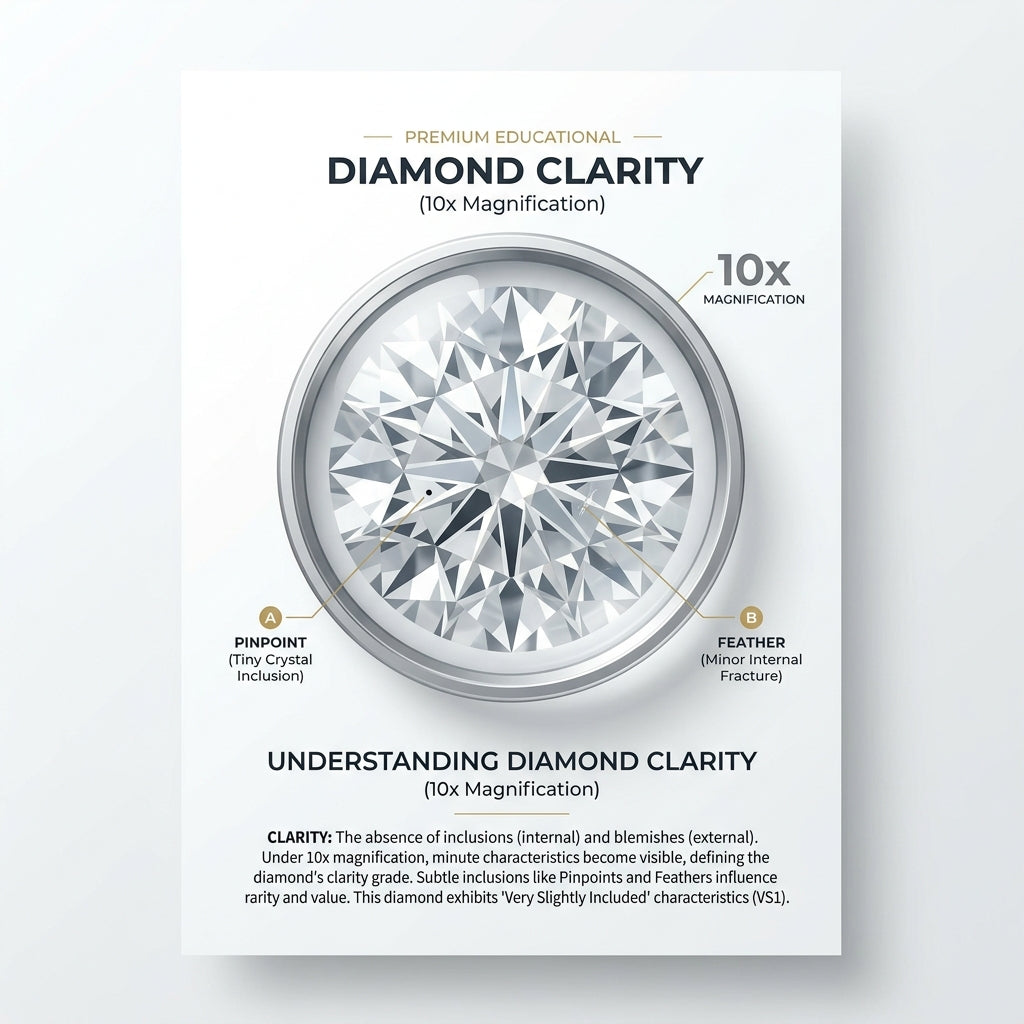
Every diamond formed over millions of years carries unique internal characteristics called inclusions and surface features called blemishes. These natural markings are like fingerprints — no two diamonds are identical. Clarity measures how many and how visible these characteristics are under 10x magnification.
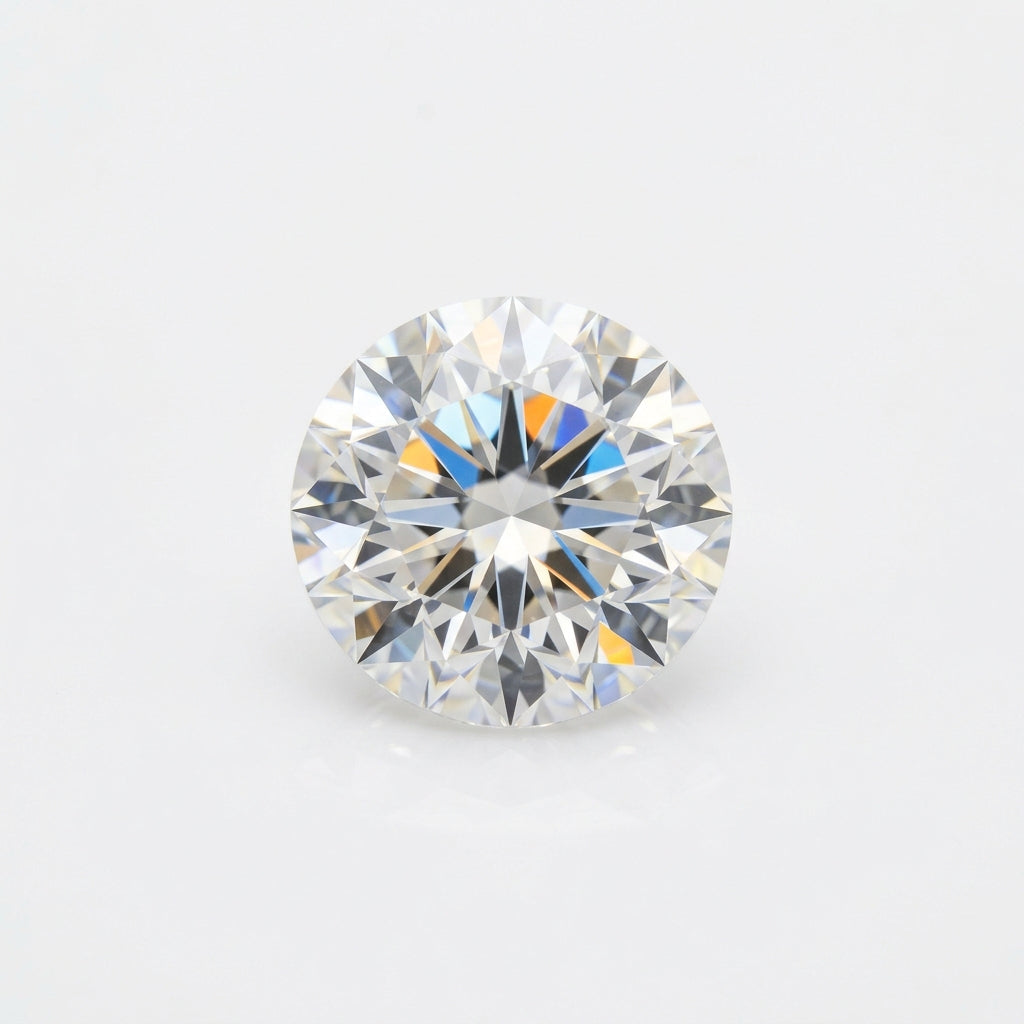
Understanding Eye-Clean Diamonds
The most practical clarity concept is whether a diamond is "eye-clean" — meaning no inclusions are visible to the unaided eye from a normal viewing distance of 6–12 inches. This is the benchmark that truly matters in everyday wear.
GIA Clarity Scale:
- FL / IF — Flawless / Internally Flawless. Exceptionally rare. No inclusions visible under 10x magnification.
- VVS1 / VVS2 — Very Very Slightly Included. Inclusions extremely difficult to detect under magnification. Always eye-clean.
- VS1 / VS2 — Very Slightly Included. Minor inclusions invisible to the naked eye. Excellent value.
- SI1 / SI2 — Slightly Included. SI1 diamonds are often eye-clean. SI2 requires careful selection.
- I1 / I2 / I3 — Included. Inclusions visible to the naked eye. Not recommended for fine jewellery.
Lablanc's Recommendation: VS1–SI1 grades offer the ideal balance of quality and value. Our gemologists hand-select only eye-clean stones in every clarity grade we carry.
Carat — Weight & Presence
Carat is the unit of weight used to measure diamonds. One carat equals exactly 0.2 grams. While carat weight is often associated with size, the two are not the same — a diamond's actual visual size is determined by its cut quality, shape, and proportions. A well-cut 0.90ct diamond can appear larger and more brilliant than a poorly cut 1.10ct stone.
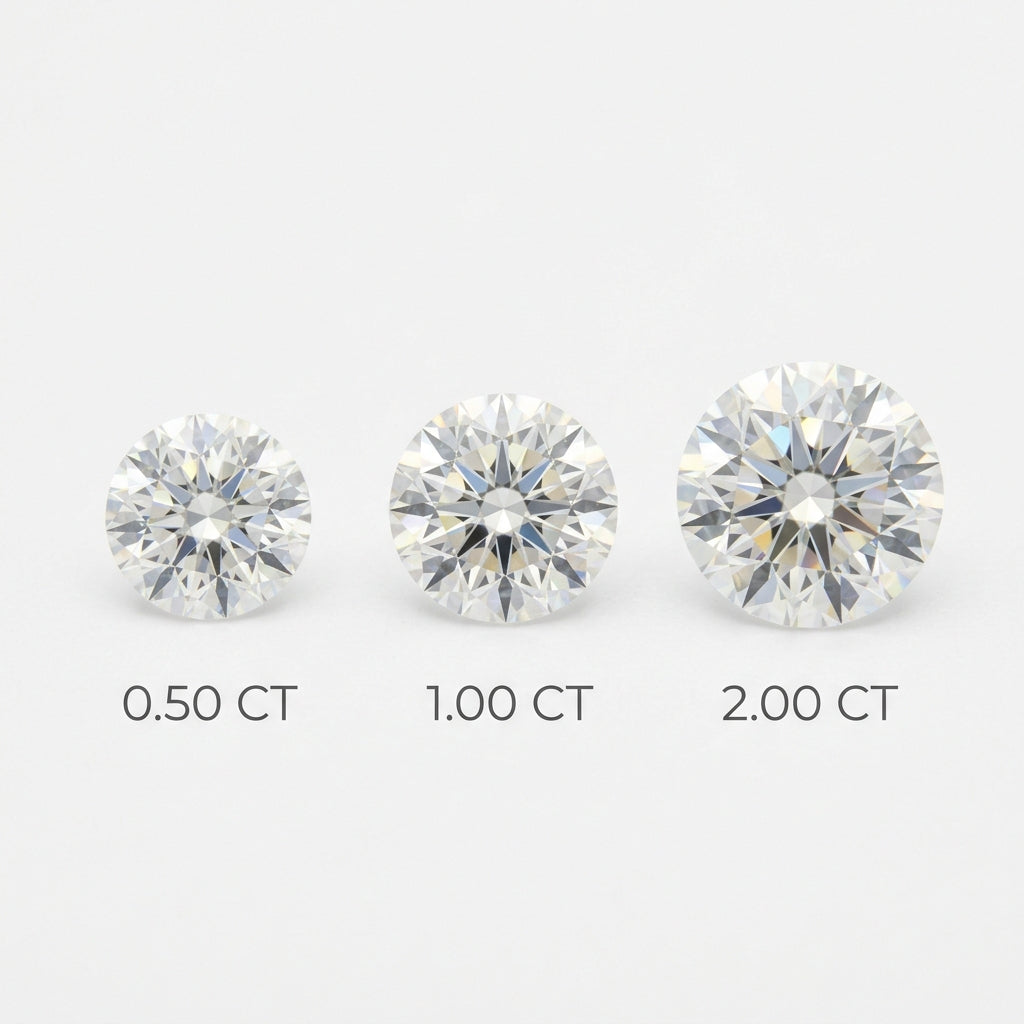
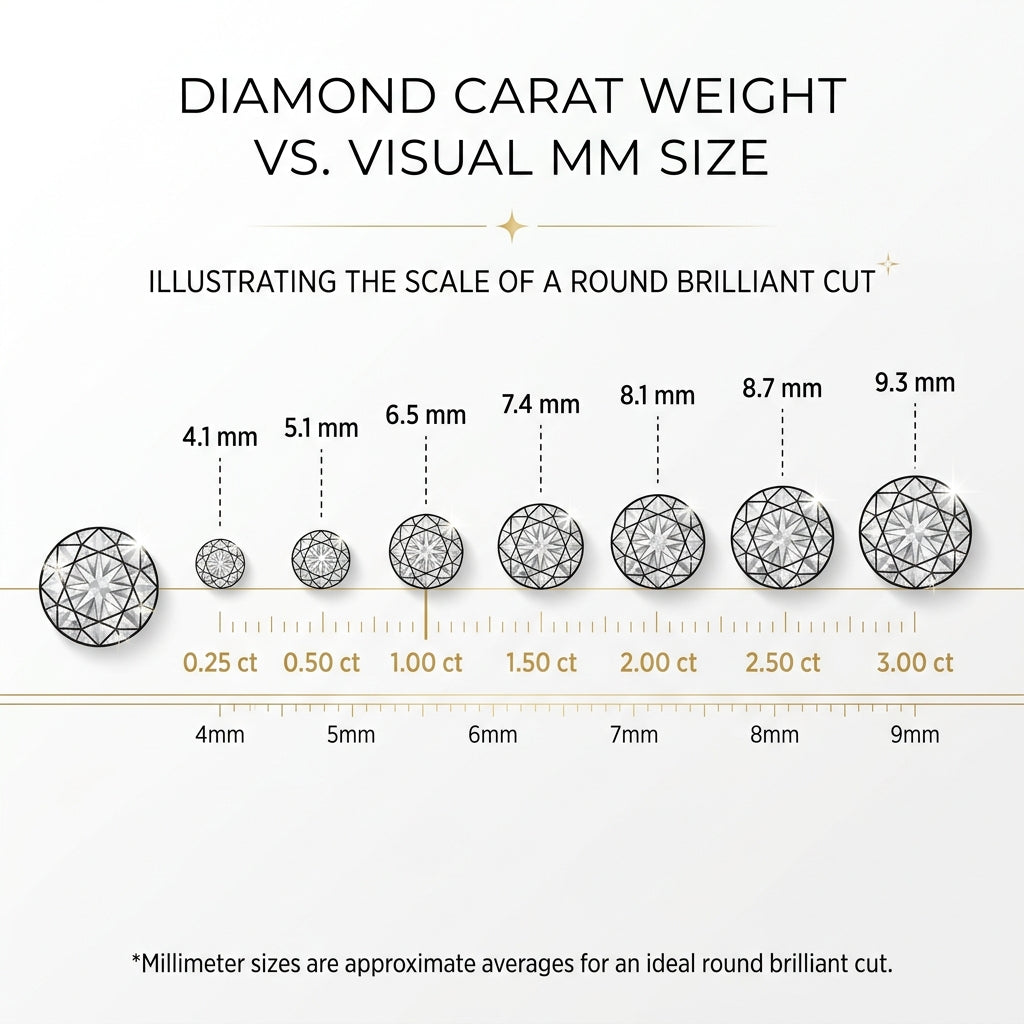
Carat Weight vs. Visual Size
Carat weight has an outsized effect on price — not always on appearance. Here's what you need to know:
Price Jumps at Magic Sizes: Diamonds are priced at premium rates at "magic" carat weights — 0.50ct, 0.75ct, 1.00ct, 1.50ct, and 2.00ct. A 0.98ct diamond may cost 20–30% less than a 1.00ct diamond of equal quality, while appearing virtually identical on the finger.
Shape Affects Perceived Size: Elongated shapes like oval, marquise, and pear appear larger than round diamonds of the same carat weight because they cover more surface area.
Setting Amplifies Size: Certain settings like halo or cathedral mountings visually enhance the centre diamond's perceived size without increasing carat weight.
Lablanc's Advice: Rather than chasing specific carat targets, work with our gemologists to find the ideal combination of cut, colour, and size that maximises the visual impact within your budget. Going just below a magic number — like 0.97ct instead of 1.00ct — can unlock significant savings with zero visible difference.
Common Carat Weights & Sizes
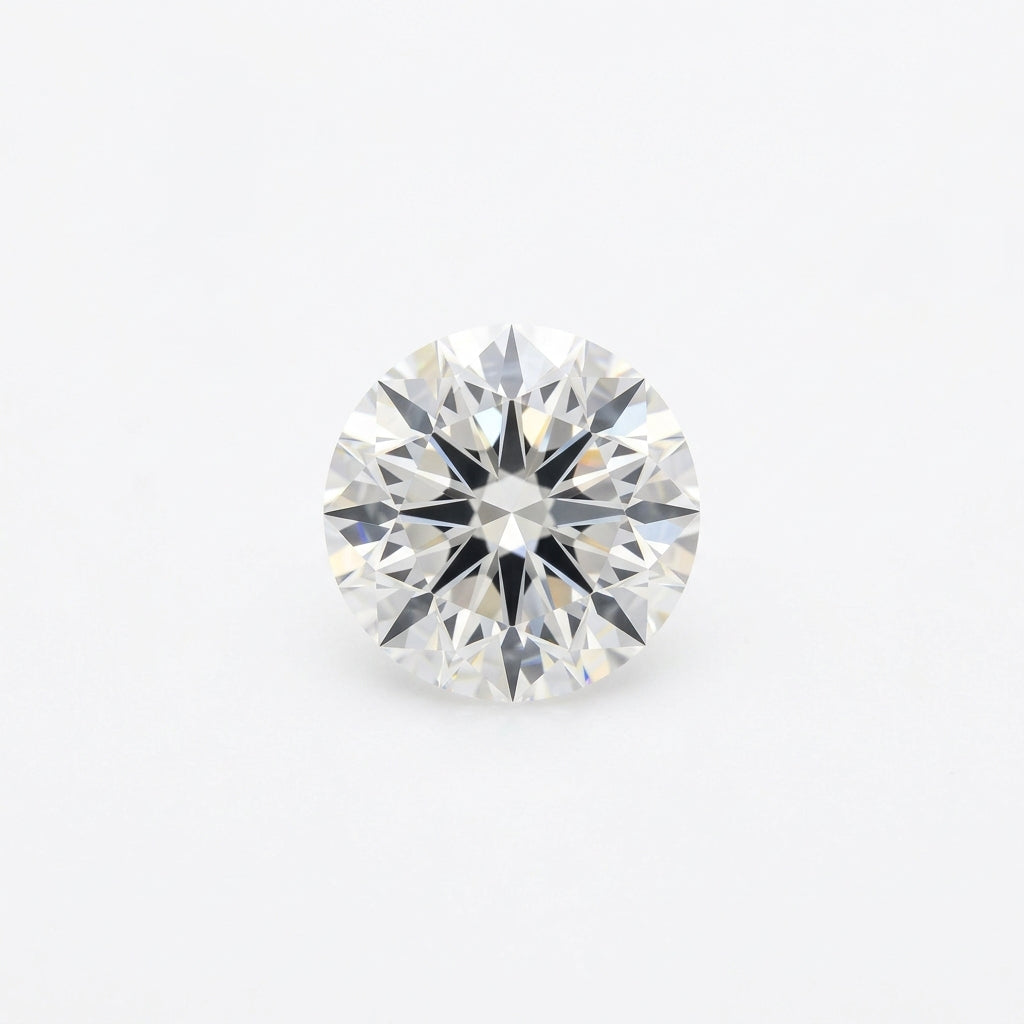
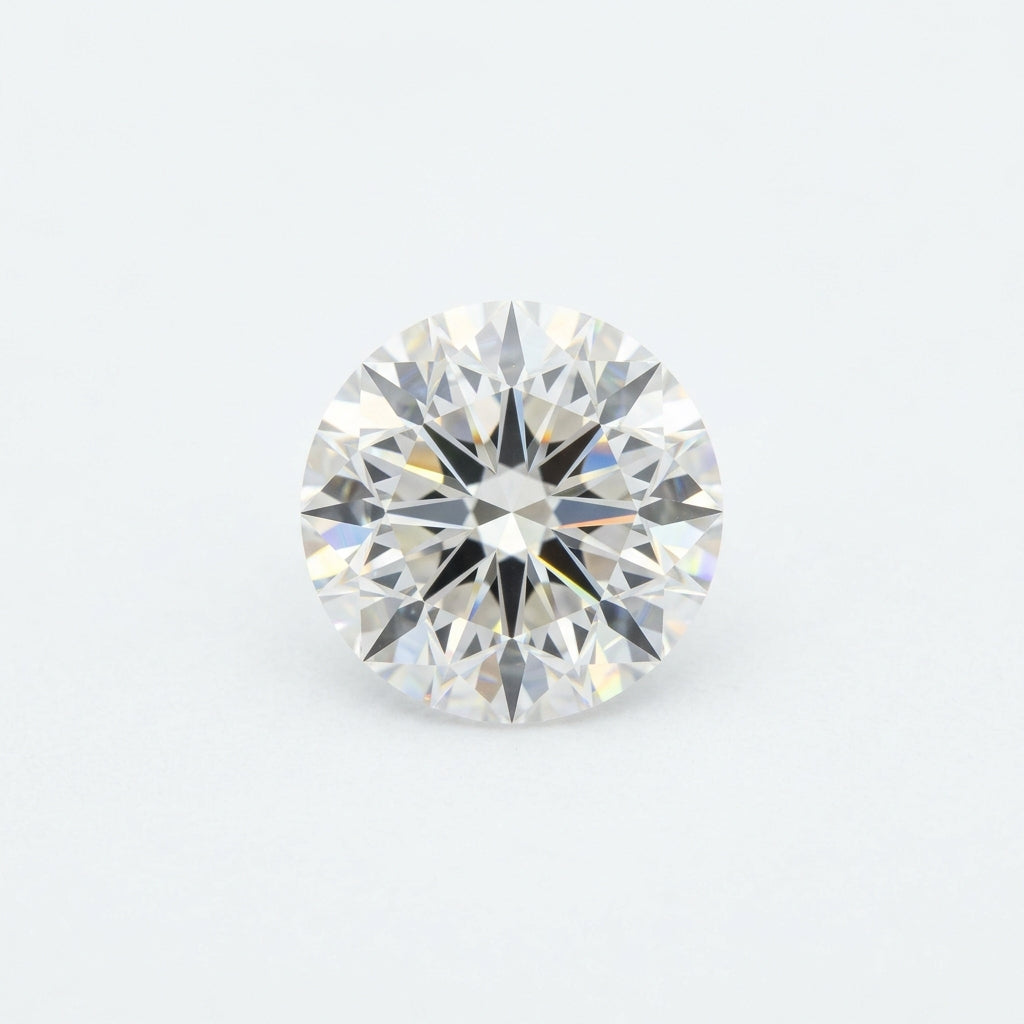
0.50 Carat
Approx. 5.1mm diameter (round). Elegant and refined. A popular choice for minimalist and delicate settings. Exceptional value without sacrificing beauty.
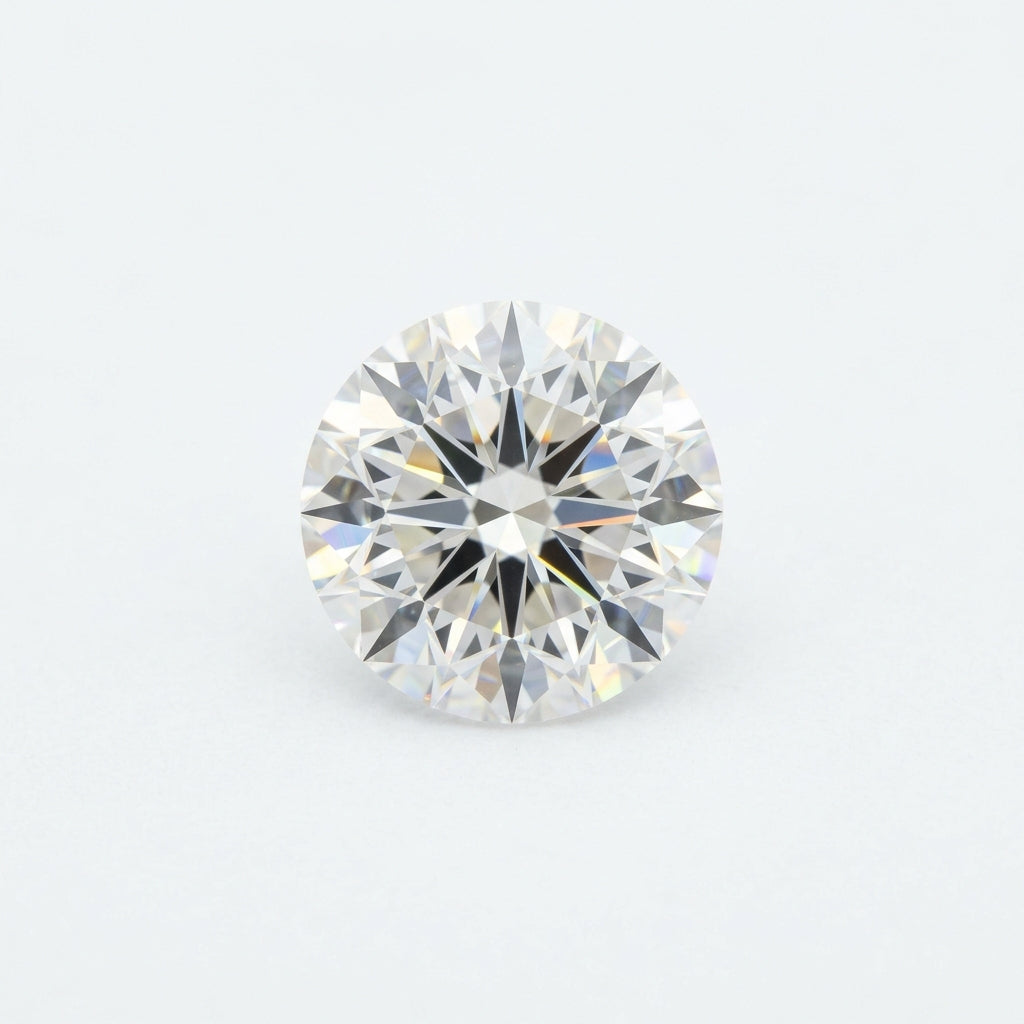
0.75 Carat
Approx. 5.8mm diameter (round). Noticeable presence on the finger. The sweet spot between elegance and bold — widely loved for solitaire settings.
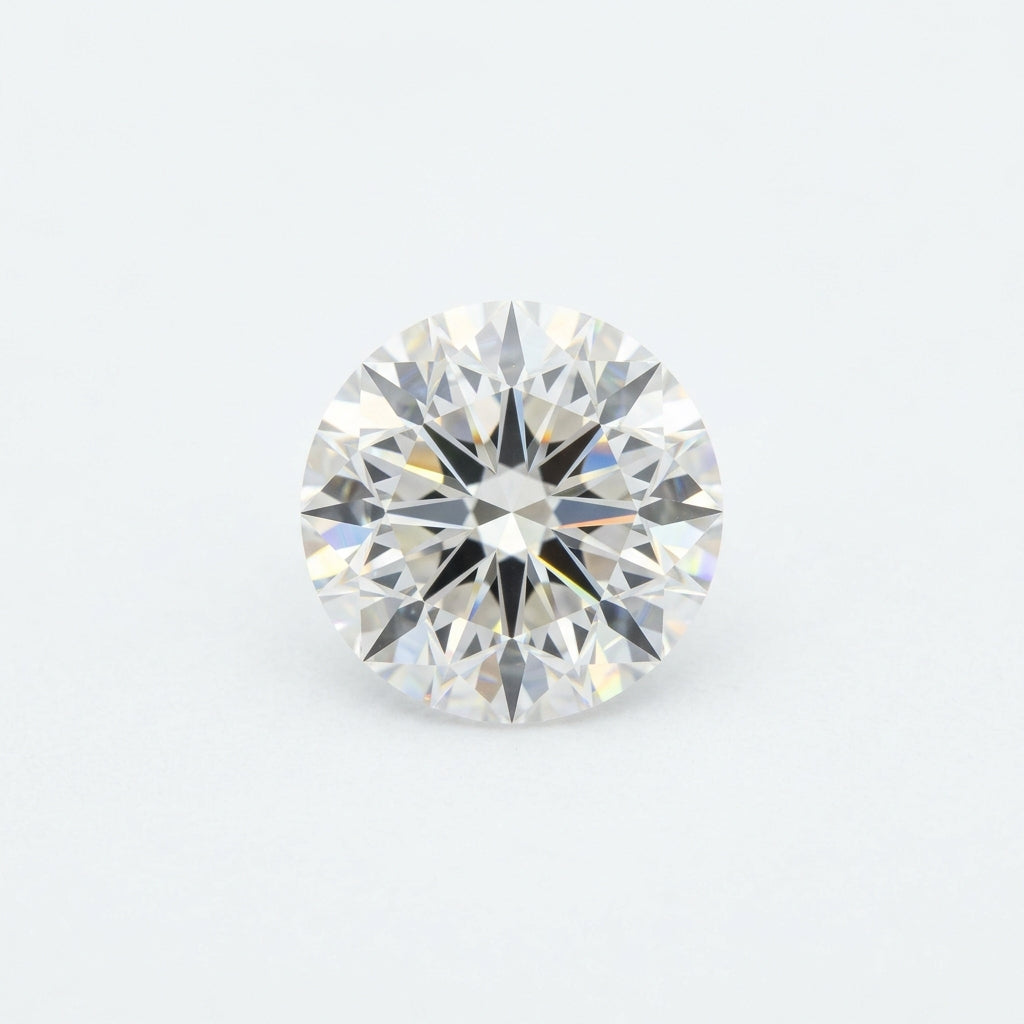
1.00 Carat
Approx. 6.4mm diameter (round). The aspirational benchmark. A stunning presence with timeless appeal. The most popular carat weight for engagement rings worldwide.
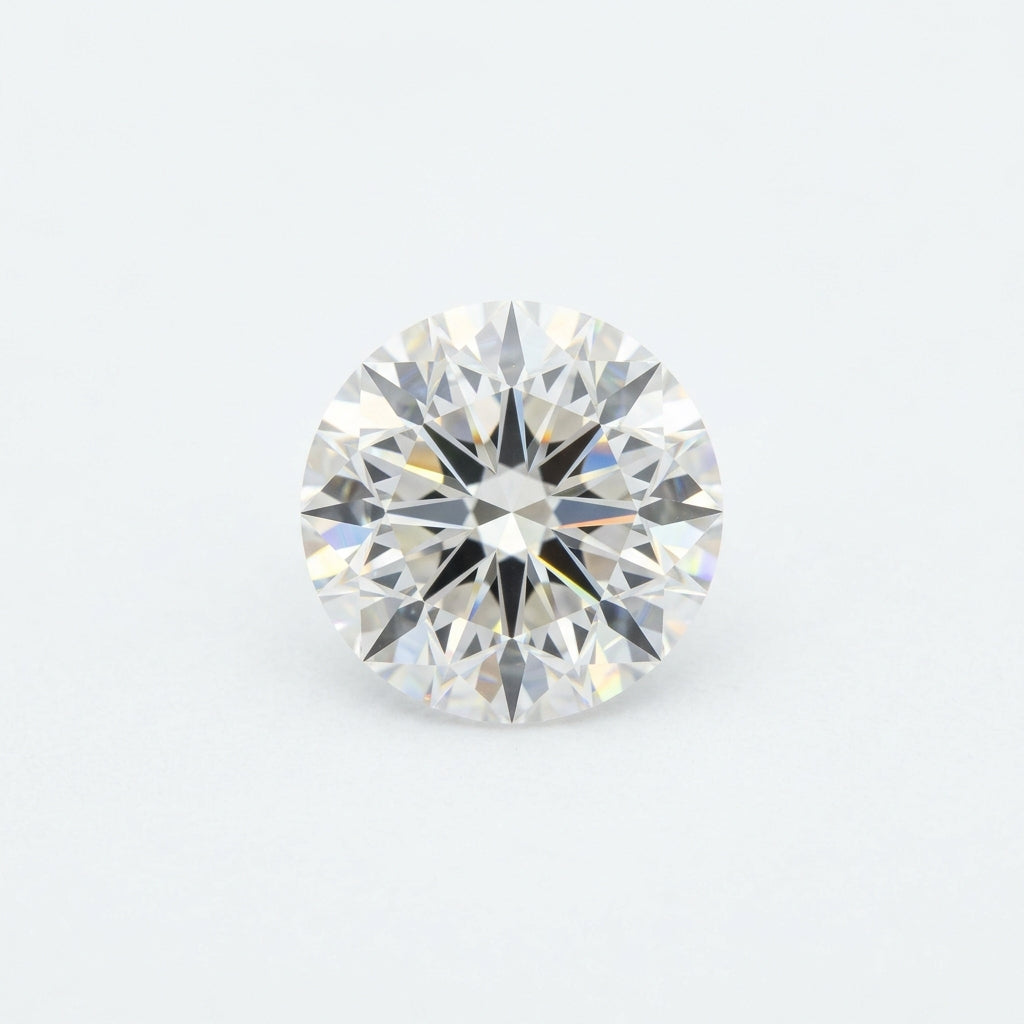
1.50 Carat
Approx. 7.3mm diameter (round). A statement piece. Commands immediate attention and extraordinary brilliance. For those who want undeniable presence.
2.00 Carat
Approx. 8.1mm diameter (round). Truly extraordinary. A luxury statement that is rare, remarkable, and unforgettable. Exceptional craftsmanship is essential at this size.