

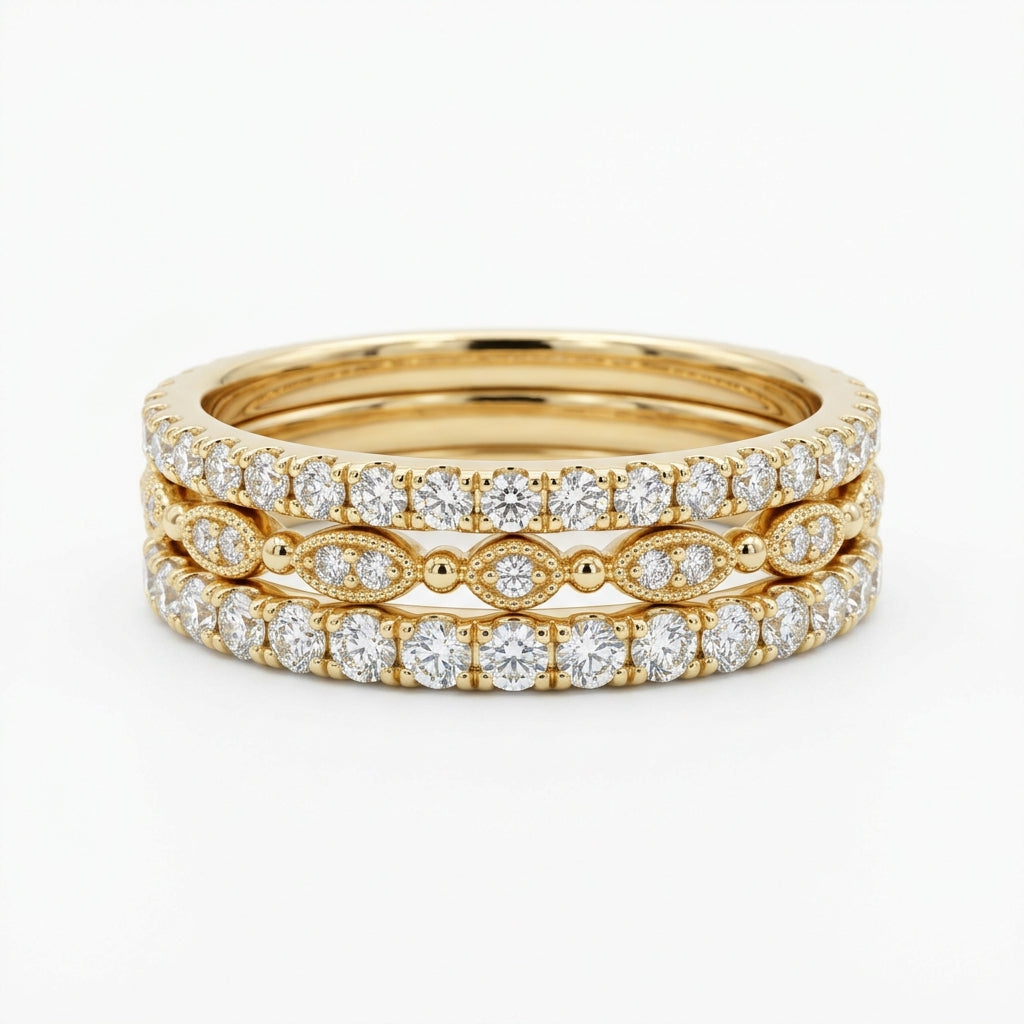
The Foundation of Your Ring
While ring styles determine the overall look (like Solitaire or Three-Stone), the setting type refers to the exact mechanical technique used to hold the gemstones in place. The setting you choose directly impacts your ring's security, how easy it is to clean, and how much light enters the diamond to create brilliance.

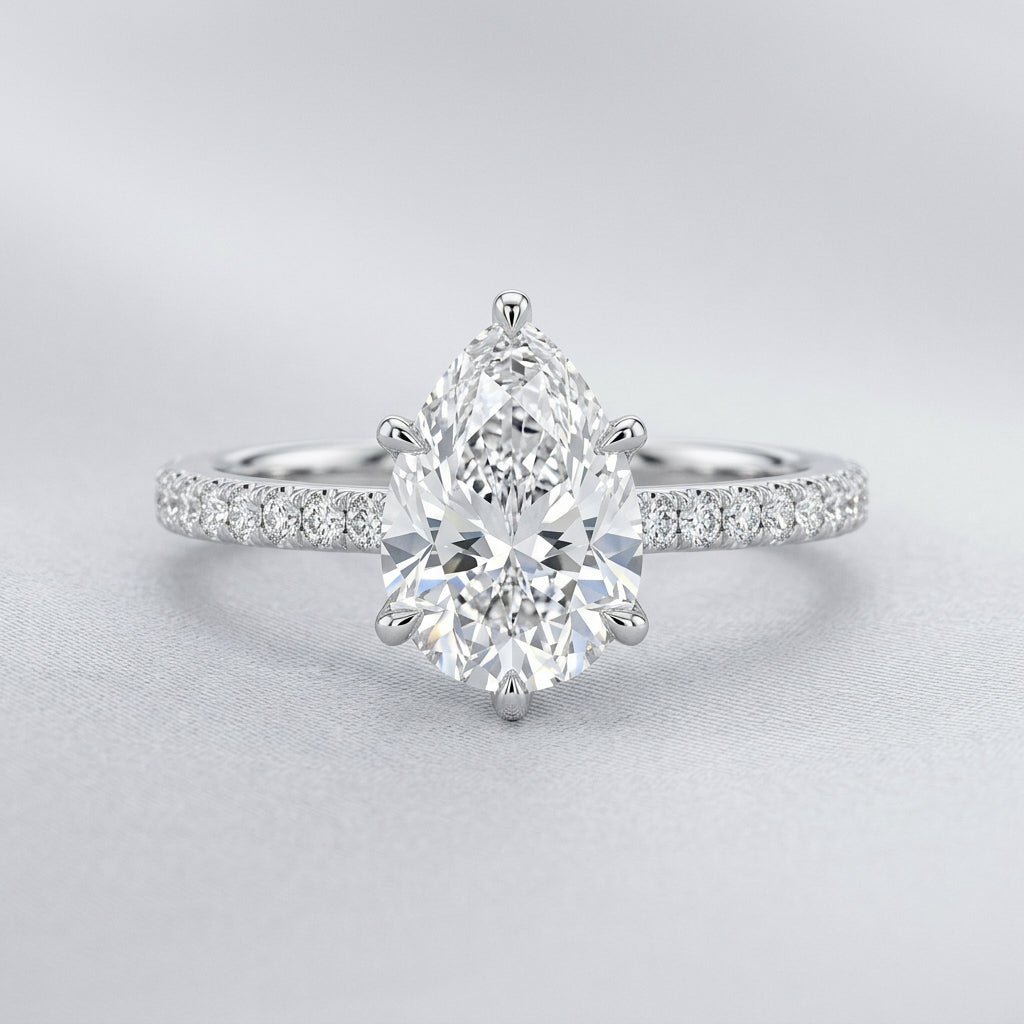
The Prong Setting
The prong setting is the undisputed classic of engagement rings, reigning as the most popular choice for generations. It utilizes small metal claws—typically four or six—to securely grip the diamond at the girdle, elevating it prominently above the band. By elevating the stone, this setting minimizes the amount of metal covering the diamond.
Because the diamond is highly exposed, light is able to hit the facets from all angles—the top, sides, and bottom. This unobstructed light flow results in maximum brilliance, fire, and scintillation. A four-prong setting allows more of the diamond to be seen and can make the stone look slightly larger, while a six-prong setting offers increased security and a rounder appearance.
- Pros: Unmatched brilliance, elevates the stone to make it the star of the show, easy to clean.
- Cons: Prongs can occasionally snag on clothing and require routine inspection to ensure they haven't bent.
The Bezel Setting
A bezel setting represents the pinnacle of security and modern architectural design. Unlike prongs that use individual claws, a bezel setting features a continuous, custom-crafted rim of precious metal that completely encircles the entire perimeter of the center stone, locking it firmly into place.
This full enclosure provides the ultimate level of protection against daily wear and tear. Because the delicate edges (or girdle) of the diamond are completely covered, it is practically immune to chipping or scratching. Furthermore, the smooth metal rim means the ring will never snag on clothing or hair, making it the perfect choice for nurses, athletes, or anyone with an active, hands-on lifestyle.
- Pros: The absolute most secure setting available, completely snag-free, protects the diamond's edges, incredibly durable.
- Cons: Covers more of the diamond's surface area, which can slightly reduce the amount of light entering from the sides.
The Halo Setting
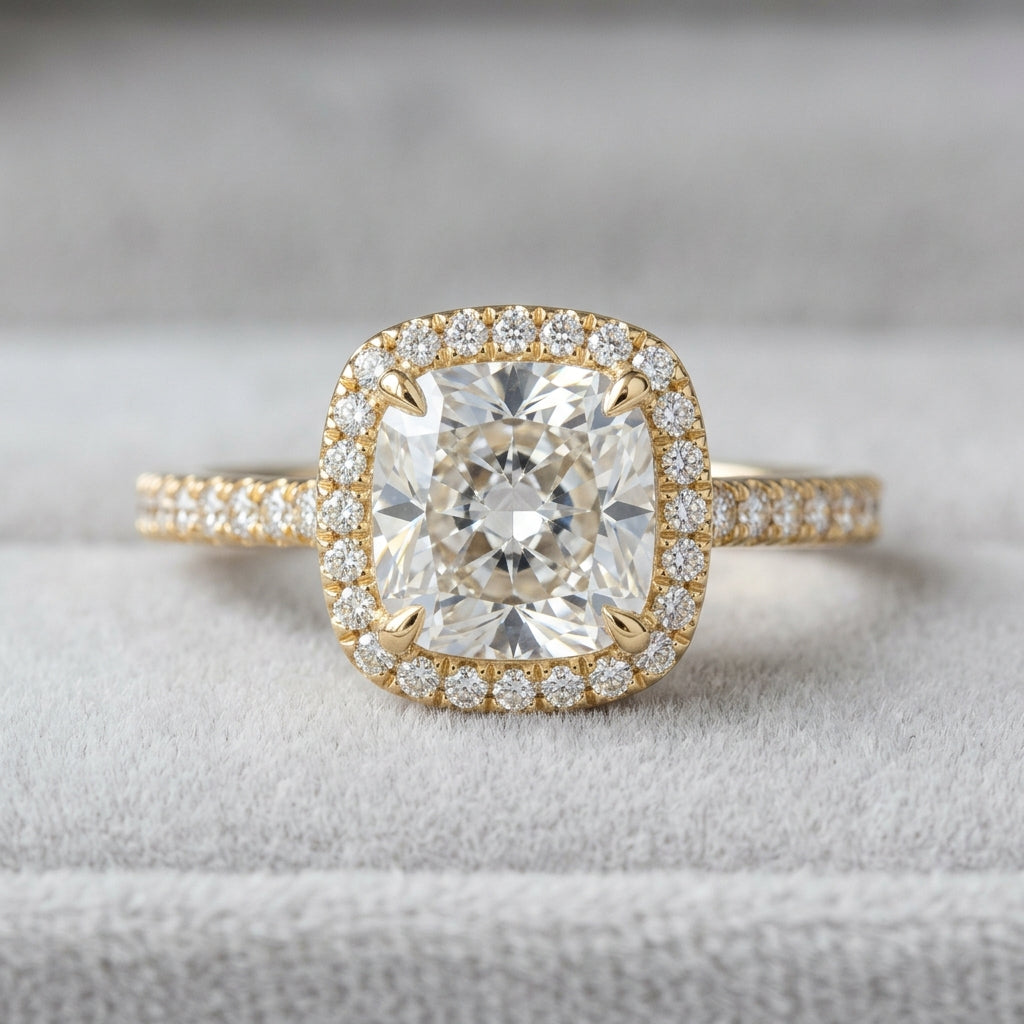
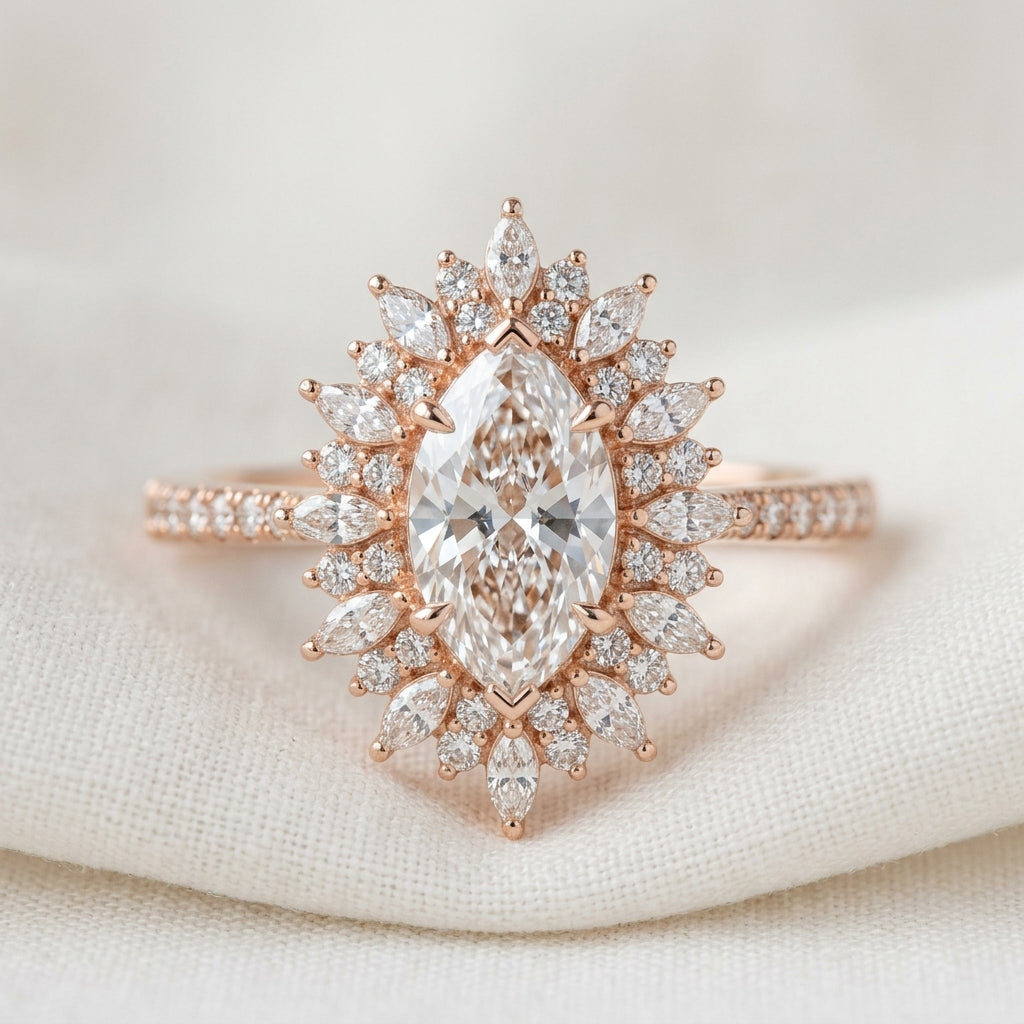
The halo setting is renowned for its intense glamour and vintage-inspired elegance. It surrounds the main center diamond with a continuous, concentric circle—or "halo"—of smaller pavé or micro-pavé set diamonds. This arrangement dramatically amplifies the ring's overall visual impact.
The most significant advantage of a halo setting is the optical illusion it creates. From a distance, the eye blends the sparkle of the center stone with the surrounding halo, making the entire centerpiece appear significantly larger than its actual carat weight—often adding up to a half-carat in perceived size. It's a fantastic way to maximize visual presence while adding intense, fiery sparkle across the finger.
- Pros: Massive overall sparkle, makes the center stone look up to a half-carat larger, adds a luxurious vintage aesthetic.
- Cons: The intricate small stones require more careful, regular cleaning to maintain their brilliance and ensure none become loose.
Channel & Tension Settings
For those seeking a highly contemporary and architectural look, Channel and Tension settings offer incredible structural artistry. A Channel setting secures small accent diamonds tightly together in a groove between two parallel walls of metal. Because there are no individual prongs, the surface is incredibly smooth and snag-free, while providing excellent protection for the side stones.
A Tension setting is a marvel of modern jewelry engineering. Instead of prongs or bezels, it relies entirely on the immense compressive pressure of the custom-crafted metal band to hold the center diamond securely in place. This creates a stunning optical illusion, making the diamond appear as if it is magically floating in mid-air with completely unobstructed views from the sides.
- Pros: Both settings offer highly unique, striking modern aesthetics with sleek, snag-free profiles.
- Cons: Because the metal is precisely engineered around the stones, both are notoriously difficult—sometimes impossible—to resize in the future.
Setting Types: Frequently Asked Questions
Expert answers to the most common questions regarding engagement ring settings.
Which setting is best for an active lifestyle or healthcare professionals?
If you work with your hands or lead a highly active lifestyle, the Bezel Setting is the absolute safest choice. Because the metal entirely encircles the girdle of the diamond, it protects it from sharp impacts and has zero prongs to snag on clothing or medical gloves.
Which setting will make my diamond look the largest and most brilliant?
The Halo Setting is best for maximizing apparent size, often making a center stone look up to a half-carat larger. For maximizing brilliance and light return, a 4-prong Solitaire Setting allows the most light to enter the stone.
Can I easily change my setting type in the future?
Yes! Many clients choose to upgrade or change their setting for an anniversary. Prongs and Halos are relatively easy to swap. However, if you originally purchased a Tension or Channel setting, the entire ring may need to be recast.
Ready to Find Your Perfect Setting?
Now that you understand the mechanics of how we secure our diamonds, explore our curated collections to find the setting that speaks to you.